Health · · 9 min read
Goldendoodle ACL (Cruciate Ligament) Tear: Surgery Options, Costs & Recovery
TPLO surgery runs $3.5K–$6K per knee, and 40–60% of dogs tear the other ACL too. Understand options, recovery timeline, and why insurance is critical.
By Allen Lee, Founder · GoldendoodleInsurance.com
Last updated: · Reviewed by Allen Lee, Founder, Best Dog Insurance LLC
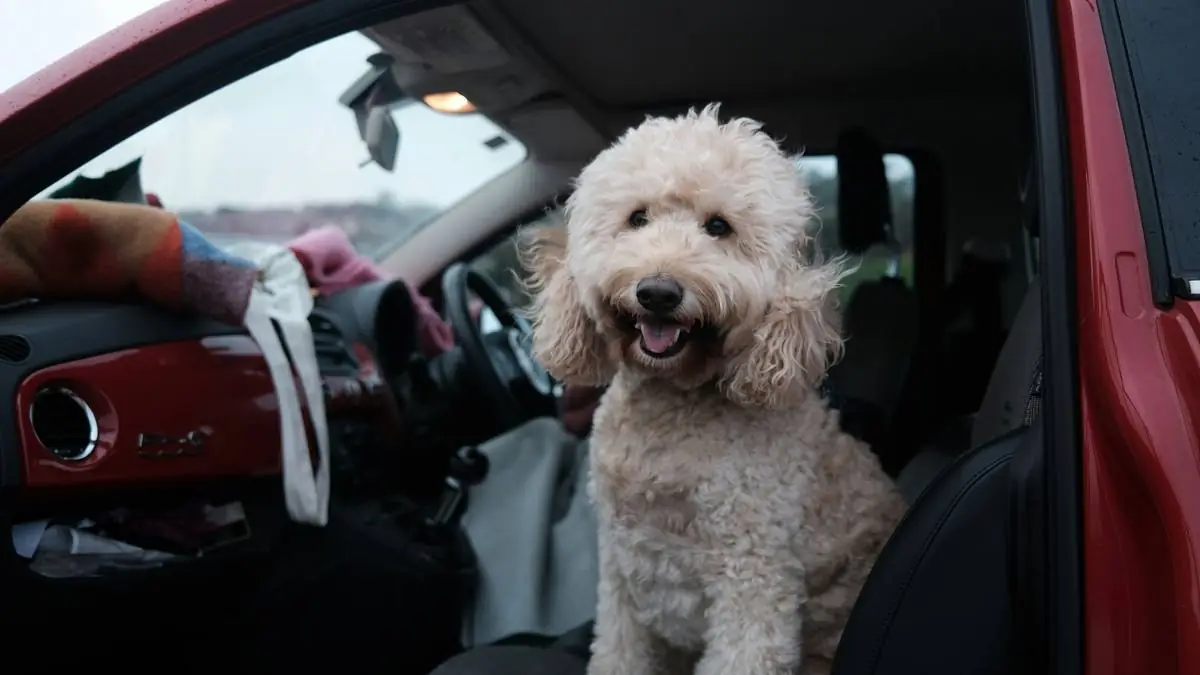
A torn ACL (cranial cruciate ligament, or CCL in dogs) is one of the most common and expensive orthopedic injuries in Goldendoodles. Active, medium-to-large Goldendoodles are particularly susceptible — and the worst part? Once one knee tears, the other has a 40–60% chance of tearing within 1–2 years.
| Procedure | Best For | Cost per Knee | 80% Reimbursement |
|---|---|---|---|
| Extracapsular (lateral suture) | Minis < 30 lbs | $1,500–$3,000 | $1,200–$2,400 |
| TPLO | Mediums & Standards | $3,500–$6,500 | $2,800–$5,200 |
| TTA | Mediums & Standards | $3,000–$5,500 | $2,400–$4,400 |
| Bilateral repair (both knees) | ~40–60% of dogs | $6,000–$12,000 | $4,800–$9,600 |
| Post-op rehab (8–12 weeks) | All cases | $600–$1,800 | $480–$1,440 |
Figures summarize published plan documents and national cost data reviewed in . Carrier terms, limits, and pricing change without notice and vary by state, pet age, and plan settings. This is not a quote or an offer of insurance — verify details directly with the provider.
What Is an ACL/CCL Tear?
The cranial cruciate ligament (CCL) is the dog equivalent of the human ACL. It stabilizes the knee joint by connecting the thigh bone (femur) to the shin bone (tibia). Unlike human ACL tears, which usually result from a single traumatic event, CCL tears in dogs often develop gradually:
- Degenerative rupture (most common): The ligament weakens over time due to genetics, weight, and activity level, eventually tearing during normal activity
- Traumatic rupture: Sudden tear during vigorous activity — jumping, rough play, or awkward landings
- Partial tears: The ligament is damaged but not completely torn — these almost always progress to full tears without intervention
Why Are Goldendoodles at High Risk for ACL Tears?
Goldendoodles face elevated ACL (CCL) tear risk due to their large size and weight, high activity level, genetic predisposition from both parent breeds, and the ligament-weakening effects of early spay/neuter. Standard Goldendoodles (45–90 lbs) fall in the highest-risk weight category for this injury:
- Size and weight: Standard Goldendoodles (45–90 lbs) are in the highest-risk weight category for CCL tears
- Activity level: Goldendoodles are high-energy dogs — running, jumping, and playing at dog parks increases stress on the ligament
- Genetics: Both parent breeds carry predisposition to CCL disease
- Obesity: Even slightly overweight dogs put significantly more stress on their knees — use our weight chart to check
- Early spay/neuter: Research suggests early alteration may affect ligament strength — see our timing guide
What Are the Symptoms of an ACL Tear in Goldendoodles?
ACL tear symptoms in Goldendoodles include sudden non-weight-bearing lameness, abnormal sitting posture with the leg sticking out to the side, stiffness after rest, and visible knee swelling. Gradual-onset degenerative tears may present as intermittent limping that worsens over weeks or months:
- Sudden onset: Non-weight-bearing lameness — your Goldendoodle suddenly holds up a back leg
- Gradual onset: Intermittent limping that worsens over weeks or months
- Sitting abnormally: The affected leg sticks out to the side instead of tucking under
- Stiffness after rest: Reluctance to rise or walk after lying down
- Swelling around the knee: Visible thickening of the joint
- Decreased activity: Reluctance to jump, play, or use stairs
- Muscle atrophy: The affected leg becomes visibly thinner than the other
What Are the ACL Surgery Options and Costs for Goldendoodles?
ACL tears in dogs rarely heal on their own — surgery is almost always recommended for Goldendoodles due to their size:
TPLO (Tibial Plateau Leveling Osteotomy)
The gold standard for medium-to-large dogs. The tibia is cut and repositioned to change the knee's biomechanics:
- Cost: $3,500–$6,000 per knee
- Success rate: 90–95%
- Recovery: 12–16 weeks of restricted activity
- Best for: Standard and Medium Goldendoodles
TTA (Tibial Tuberosity Advancement)
Similar concept to TPLO but uses a different technique to stabilize the knee:
- Cost: $3,000–$5,000 per knee
- Success rate: 85–90%
- Recovery: 10–14 weeks
- Best for: Medium and some Standard Goldendoodles
Extracapsular Repair (Lateral Suture)
A less invasive technique that uses heavy suture material to stabilize the joint:
- Cost: $1,500–$3,000 per knee
- Success rate: 75–85% (lower for larger dogs)
- Recovery: 8–12 weeks
- Best for: Mini Goldendoodles under 30 lbs
Conservative Management (Non-Surgical)
Sometimes attempted for partial tears or when surgery isn't an option:
- Custom knee brace: $300–$800
- Physical therapy (8–12 weeks): $1,000–$3,000
- Anti-inflammatory medications: $30–$80/month
- Joint supplements: $30–$60/month
Conservative management has lower success rates, especially for dogs over 30 lbs. Most veterinary surgeons recommend surgery for Goldendoodles.
Why Do ACL Tears Often Affect Both Knees in Goldendoodles?
ACL tears affect both knees in 40–60% of Goldendoodles within 1–2 years of the first injury. The same underlying degenerative process, genetics, and weight distribution that damaged the first ligament place equivalent stress on the contralateral knee — making bilateral injury statistically likely:
- 40–60% of dogs that tear one CCL will tear the other within 1–2 years
- Both knees (TPLO): $7,000–$12,000
- Both knees (with rehab): $9,000–$16,000
This is one of the strongest arguments for comprehensive pet insurance for Goldendoodles. A bilateral ACL tear can cost more than a decade of insurance premiums.
What Does ACL Recovery and Rehabilitation Look Like?
ACL recovery for Goldendoodles takes 12–16 weeks, progressing from strict crate rest and short leash walks in weeks 1–6 to underwater treadmill therapy by weeks 6–10 and gradual return to full activity by weeks 12–16. Physical rehabilitation sessions ($50–$100 each, 2x/week) significantly improve outcomes:
- Weeks 1–2: Strict crate rest, short leashed bathroom breaks only
- Weeks 3–6: Gradually increasing leash walks (5–15 minutes)
- Weeks 6–10: Longer walks, underwater treadmill therapy
- Weeks 10–16: Gradual return to normal activity
- Physical rehabilitation sessions: $50–$100/session, typically 2x/week for 8–12 weeks ($800–$2,400)
Activity restriction is especially challenging for high-energy Goldendoodles. Puzzle toys, frozen Kongs, and short training sessions help manage their energy during recovery.
Does Pet Insurance Cover ACL Surgery?
Yes — CCL/ACL tears are covered by comprehensive pet insurance policies with important caveats:
- Must be enrolled before any symptoms or diagnosis: Pre-existing lameness or knee issues will exclude coverage
- Orthopedic waiting period: Many plans have 6–12 month waiting periods specifically for orthopedic conditions — compare waiting periods here
- Bilateral coverage: Confirm both knees are covered — some plans treat the second knee as related to the first
- Rehabilitation coverage: Not all plans cover physical therapy — check this before enrolling
This is why early enrollment is critical — if you wait until your Goldendoodle shows knee problems, coverage is likely to be denied as pre-existing. Insure early to ensure full orthopedic coverage.
What Is the Bottom Line?
ACL tears are a when-not-if concern for many Standard and Medium Goldendoodles. With single-knee surgery costing $3,500–$6,000 and bilateral tears being statistically likely, total costs can reach $12,000–$16,000. Comprehensive pet insurance enrolled before symptoms appear is the most effective financial protection. Compare plans with strong orthopedic coverage in our Buyer's Guide or estimate premiums with our Cost Calculator.
Frequently Asked Questions
How much does ACL surgery cost for a Goldendoodle?
TPLO surgery (gold standard) costs $3,500–$6,000 per knee. TTA costs $3,000–$5,000 per knee. Lateral suture repair costs $1,500–$3,000 per knee. Since 40–60% of dogs tear the other knee within 1–2 years, total bilateral costs can reach $7,000–$12,000.
What are the signs of an ACL tear in a Goldendoodle?
Signs include sudden hind-leg lameness, sitting with the leg extended to the side, difficulty rising from lying down, clicking sound from the knee, swelling around the knee joint, and decreased activity level.
Does pet insurance cover ACL surgery for Goldendoodles?
Most policies cover ACL/CCL tears, but watch for orthopedic waiting periods (6–12 months with some insurers), bilateral exclusions that won't cover the second knee if the first was affected before enrollment, and pre-existing clauses triggered by any lameness noted in vet records before enrollment.
Will my Goldendoodle tear the other ACL too?
Unfortunately, 40–60% of dogs who tear one cruciate ligament will tear the other within 1–2 years. Risk factors include size and weight (Standards at highest risk), early spay/neuter, obesity, and irregular intense exercise. This bilateral risk makes comprehensive insurance especially important.
Wondering what coverage looks like for your Goldendoodle?
Compare plan options in a couple of minutes, or estimate your monthly premium first.
Get a free Goldendoodle insurance quote · Estimate your premium
Advertiser disclosure: GoldendoodleInsurance.com is an independent comparison website — not an insurance company, agency, or producer. We do not sell, issue, or bind policies. We may earn a commission when you click carrier links, at no cost to you. Advertising Disclosure · Editorial Policy.
Sources & References
Premium figures are sample quotes from public provider quoting tools and are illustrative only; medical details are summarized from the veterinary references below and are educational, not veterinary advice.
- American Kennel Club (AKC). CCL Tears in Dogs: Symptoms, Treatment, and Recovery.
- Merck Veterinary Manual. Cranial Cruciate Ligament Disease in Dogs.
Pricing sources and data vintage
Cost figures on this page are national ranges, not quotes. Each one below is tied to a named publisher and the date we last verified it. Pricing data set: . Next scheduled re-verification: February 2027.
| Figure | Published range | What it covers | Source & date verified |
|---|---|---|---|
| Monthly premium, Goldendoodle accident & illness plan | $25–$70/month | Quotes sampled across ten U.S. carriers for Mini/Medium/Standard profiles at 80–90% reimbursement, $250–$500 annual deductible. Mid-range figure ≈ $45/month. | NAPHIA (North American Pet Health Insurance Association) — State of the Industry Report — average U.S. premiums by coverage type (2026 report). Verified Aug 2026. |
| Hip dysplasia surgery (FHO or total hip replacement) | $3,500–$7,000 per hip | Specialty and teaching-hospital surgical pricing, single hip, including imaging, implant, anesthesia, and post-op rehab. | American Veterinary Medical Association (AVMA) — Cost of veterinary care references / orthopedic procedure benchmarks (2026 guidance). Verified Aug 2026. |
| Bloat (GDV) emergency surgery | $3,000–$7,500 | Emergency gastric decompression, derotation, and gastropexy with 24-hour critical care. Overnight ICU drives the upper end. | Merck Veterinary Manual — Gastric dilation and volvulus in dogs (Current edition, 2026). Verified Aug 2026. |
| Addison's disease (hypoadrenocorticism) maintenance | $200–$500/month | Desoxycorticosterone pivalate injections or fludrocortisone plus prednisone, with periodic electrolyte monitoring. Dose scales with body weight. | American College of Veterinary Internal Medicine (ACVIM) — Consensus statement on canine hypoadrenocorticism (Consensus statement, latest revision). Verified Aug 2026. |
| Lifetime veterinary spend, Goldendoodle | $15,000–$30,000 | Routine care plus expected illness and emergency claims across a 10–14 year lifespan, before insurance reimbursement. | American Veterinary Medical Association (AVMA) — Pet ownership and cost-of-care data (2026 guidance). Verified Aug 2026. |
Veterinary pricing varies by region, clinic type, and case complexity; insurance premiums vary by ZIP code, age, deductible, and reimbursement level. Treat every range as a planning benchmark and confirm current pricing with your veterinarian and current premiums with the provider. Our sourcing rules are documented in the editorial policy.