Health · · 8 min read
Goldendoodle Bloat (GDV): Warning Signs, Emergency Costs & Prevention
Bloat (GDV) kills within hours and costs $3K–$7.5K to treat. Every Standard Goldendoodle owner must know these warning signs — minutes matter.
By Allen Lee, Founder · GoldendoodleInsurance.com
Last updated: · Reviewed by Allen Lee, Founder, Best Dog Insurance LLC
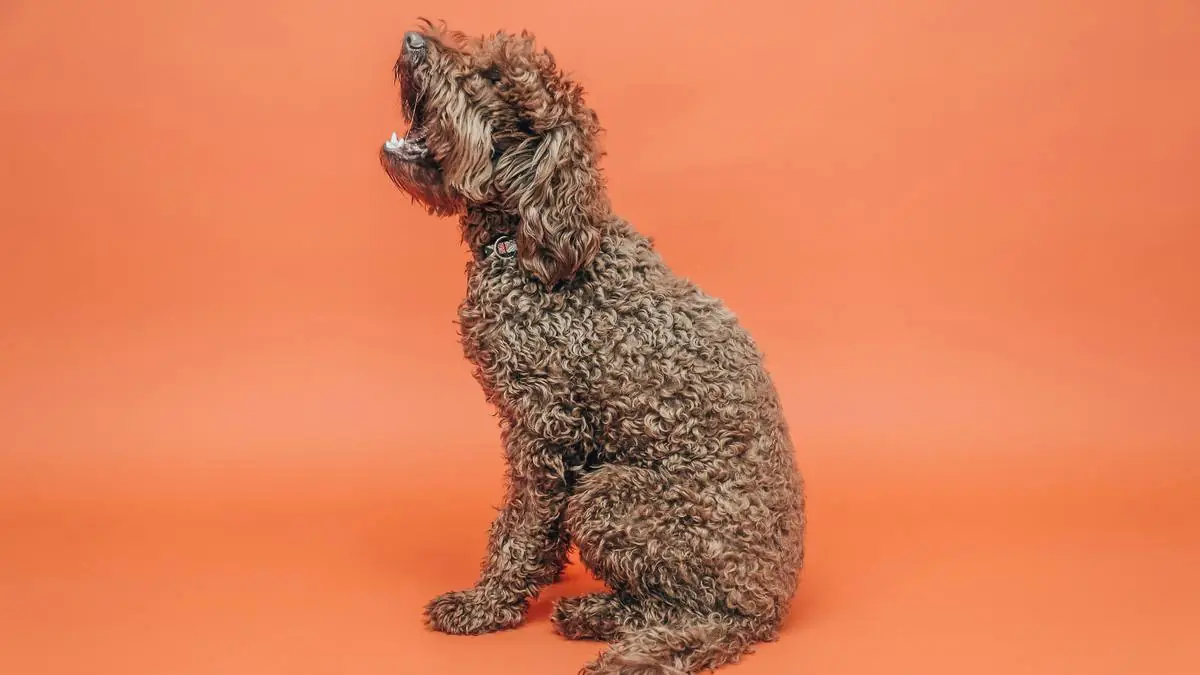
Bloat — medically known as Gastric Dilatation-Volvulus (GDV) — is the most life-threatening emergency Standard Goldendoodle owners can face. The stomach fills with gas and rotates, cutting off blood supply to vital organs. Without immediate surgery, GDV is fatal within hours. Every Standard Goldendoodle owner must know these warning signs.
| Scenario | Cost | Survival / Risk | Insurance Coverage |
|---|---|---|---|
| Prophylactic gastropexy (with spay/neuter) | $300–$800 | Reduces GDV risk ~90% | Often excluded (preventive) |
| Standalone laparoscopic gastropexy | $1,500–$3,000 | Reduces GDV risk ~90% | Excluded (preventive) |
| Emergency GDV surgery + ICU | $5,000–$8,000 | ~80% survival if treated <6 hr | Covered (post waiting period) |
| No treatment | — | Fatal within hours | N/A |
Figures summarize published plan documents and national cost data reviewed in . Carrier terms, limits, and pricing change without notice and vary by state, pet age, and plan settings. This is not a quote or an offer of insurance — verify details directly with the provider.
What Is Bloat/GDV in Goldendoodles?
Bloat (GDV) in Goldendoodles is a two-stage emergency: gastric dilatation, where the stomach fills with gas, and volvulus, where the stomach rotates and cuts off blood flow to organs. Volvulus is fatal within hours without emergency surgery — always treat suspected bloat as an immediate emergency:
- Gastric Dilatation (bloat): The stomach fills with gas, food, or fluid and expands like a balloon. This alone causes pain and can be life-threatening
- Volvulus (torsion): The expanded stomach rotates on its axis, twisting the esophagus and intestines. This cuts off blood flow to the stomach, spleen, and other organs — creating a rapidly fatal emergency
Simple bloat (without torsion) can sometimes resolve on its own, but there's no way to tell without veterinary imaging whether torsion has occurred. Always treat bloat as an emergency.
Why Are Standard Goldendoodles at High Risk for Bloat?
GDV primarily affects large, deep-chested breeds — and Standard Goldendoodles fit this profile perfectly:
- Deep chest conformation: Standard Goldendoodles (45–90 lbs) have the chest depth-to-width ratio that increases GDV risk
- Golden Retriever genetics: Golden Retrievers are among the breeds with elevated GDV risk
- Age: Risk increases after age 5, but GDV can occur at any age
- Eating habits: Rapid eating, eating from elevated bowls, and exercising after meals increase risk
- Temperament: Anxious or stressed dogs have higher GDV rates — relevant for Goldendoodles prone to separation anxiety
Note: Mini and Medium Goldendoodles have significantly lower GDV risk due to their smaller size, but it's not impossible.
What Are the Warning Signs of Bloat in Goldendoodles?
The cardinal warning signs of bloat in Goldendoodles are a hard, distended abdomen and unproductive retching — trying to vomit with nothing coming up. Restlessness, excessive drooling, pale gums, and rapid shallow breathing confirm the emergency. GDV can be fatal within 1–6 hours of onset:
- Distended, hard abdomen: The belly looks swollen and feels tight like a drum
- Unproductive retching: Trying to vomit but nothing comes up — this is the hallmark symptom
- Restlessness and pacing: Unable to get comfortable, constantly changing positions
- Excessive drooling: More than normal
- Rapid, shallow breathing: Panting without cause
- Pale gums: Indicates shock — a critical sign
- Collapse or weakness: Late-stage sign — the dog is going into shock
- Looking at or biting at the abdomen: Sign of severe abdominal pain
If you see these signs: Do not wait. Do not call and describe symptoms. Drive to the nearest emergency vet hospital immediately. GDV can progress from first symptoms to death in 1–6 hours.
How Much Does Emergency Bloat Treatment Cost?
GDV treatment is always surgical and always expensive:
- Emergency exam and stabilization: $300–$800 (IV fluids, pain management, blood pressure support)
- X-rays (to confirm GDV and torsion): $200–$400
- Emergency surgery (gastropexy + derotation): $2,500–$5,000
- Splenectomy (if spleen is damaged): Additional $1,000–$2,000
- Post-operative ICU hospitalization (2–5 days): $1,000–$3,000
- Complications (cardiac arrhythmias, sepsis): Additional $1,000–$5,000
Total GDV treatment cost: $3,000–$7,500+ (can exceed $10,000 with complications)
Survival rates depend on how quickly treatment begins. With prompt surgery, survival rates are 80–90%. With delayed treatment or complications like gastric necrosis (dead stomach tissue), survival drops to 50% or less.
Can Preventive Gastropexy Reduce Bloat Risk in Goldendoodles?
A prophylactic gastropexy surgically tacks the stomach to the body wall, preventing it from rotating. This is the single most effective prevention for GDV:
- Laparoscopic gastropexy (standalone): $1,000–$1,500
- Gastropexy during spay/neuter surgery: $500–$1,000 (added to the spay/neuter cost)
- Effectiveness: Reduces GDV risk by over 90%
Many veterinary surgeons now recommend prophylactic gastropexy for all Standard Goldendoodles, ideally performed at the same time as spay/neuter to reduce total anesthesia events and cost. Discuss this option with your vet.
What Lifestyle Changes Help Prevent Bloat in Goldendoodles?
Feeding 2–3 smaller meals daily, using a slow-feeder bowl, and avoiding exercise for one hour before and after meals are the most evidence-supported lifestyle changes for reducing bloat risk. These practices lower risk but do not replace prophylactic gastropexy for Standard Goldendoodles:
- Feed 2–3 smaller meals per day instead of one large meal
- Use a slow-feeder bowl to prevent rapid eating ($10–$25)
- No exercise 1 hour before and after meals
- Feed from floor level — elevated bowls may increase risk (contrary to older advice)
- Avoid high-fat foods that slow digestion
- Manage stress and anxiety — anxious dogs have higher GDV rates
- Monitor water intake after exercise — don't let your Goldendoodle gulp large amounts of water
Does Pet Insurance Cover GDV?
Yes — GDV is covered by all comprehensive and accident-only pet insurance plans as an emergency:
- Emergency surgery and hospitalization: Typically covered after the deductible, subject to policy limits
- Prophylactic gastropexy: Some plans cover it when performed during another covered procedure; others exclude it as elective/preventive
- Waiting period: Most plans have a 2–14 day accident waiting period. Enroll before any emergency to ensure coverage
A single GDV emergency can cost more than 5+ years of insurance premiums. This is perhaps the strongest argument for insuring any Standard Goldendoodle.
What Is the Bottom Line?
GDV is terrifying but preventable with gastropexy and manageable with insurance. Every Standard Goldendoodle owner should: (1) discuss prophylactic gastropexy with their vet, (2) learn the warning signs, (3) know the location and phone number of their nearest 24-hour emergency vet, and (4) carry pet insurance that covers emergency surgery. Compare plans in our Buyer's Guide or estimate premiums with our Cost Calculator.
Related Reading
Frequently Asked Questions
What is bloat (GDV) in Goldendoodles?
Gastric dilatation-volvulus (GDV) occurs when the stomach fills with gas and twists on its axis, cutting off blood supply. Without emergency surgery, it's nearly always fatal within hours. Standard Goldendoodles (45–90 lbs) are at significant risk due to their deep chest.
How much does bloat surgery cost for a Goldendoodle?
Total emergency bloat treatment costs $3,000–$7,500+, including stabilization ($500–$1,500), X-rays and bloodwork ($300–$600), GDV surgery ($2,500–$5,000), possible splenectomy ($1,000–$2,500), and post-op ICU stay ($1,000–$3,000). Severe cases can exceed $10,000.
What are the warning signs of bloat in Goldendoodles?
Signs include a distended hard abdomen, non-productive retching (trying to vomit with nothing coming up), excessive drooling, restlessness and pacing, rapid shallow breathing, pale gums, and collapse. If you see these signs, go to an emergency vet immediately — minutes matter.
Can bloat be prevented in Goldendoodles?
Yes, risk can be reduced by feeding 2–3 smaller meals instead of one large meal, using slow-feeder bowls, avoiding exercise for 1 hour before and after meals, and not using elevated food bowls. A prophylactic gastropexy ($400–$1,200 during spay/neuter) surgically prevents the stomach from twisting.
Wondering what coverage looks like for your Goldendoodle?
Compare plan options in a couple of minutes, or estimate your monthly premium first.
Get a free Goldendoodle insurance quote · Estimate your premium
Advertiser disclosure: GoldendoodleInsurance.com is an independent comparison website — not an insurance company, agency, or producer. We do not sell, issue, or bind policies. We may earn a commission when you click carrier links, at no cost to you. Advertising Disclosure · Editorial Policy.
Sources & References
Premium figures are sample quotes from public provider quoting tools and are illustrative only; medical details are summarized from the veterinary references below and are educational, not veterinary advice.
- Merck Veterinary Manual. Gastric Dilatation and Volvulus in Small Animals.
- American Kennel Club (AKC). Bloat in Dogs: GDV Signs, Symptoms, and Treatment.
Pricing sources and data vintage
Cost figures on this page are national ranges, not quotes. Each one below is tied to a named publisher and the date we last verified it. Pricing data set: . Next scheduled re-verification: February 2027.
| Figure | Published range | What it covers | Source & date verified |
|---|---|---|---|
| Monthly premium, Goldendoodle accident & illness plan | $25–$70/month | Quotes sampled across ten U.S. carriers for Mini/Medium/Standard profiles at 80–90% reimbursement, $250–$500 annual deductible. Mid-range figure ≈ $45/month. | NAPHIA (North American Pet Health Insurance Association) — State of the Industry Report — average U.S. premiums by coverage type (2026 report). Verified Aug 2026. |
| Hip dysplasia surgery (FHO or total hip replacement) | $3,500–$7,000 per hip | Specialty and teaching-hospital surgical pricing, single hip, including imaging, implant, anesthesia, and post-op rehab. | American Veterinary Medical Association (AVMA) — Cost of veterinary care references / orthopedic procedure benchmarks (2026 guidance). Verified Aug 2026. |
| Bloat (GDV) emergency surgery | $3,000–$7,500 | Emergency gastric decompression, derotation, and gastropexy with 24-hour critical care. Overnight ICU drives the upper end. | Merck Veterinary Manual — Gastric dilation and volvulus in dogs (Current edition, 2026). Verified Aug 2026. |
| Addison's disease (hypoadrenocorticism) maintenance | $200–$500/month | Desoxycorticosterone pivalate injections or fludrocortisone plus prednisone, with periodic electrolyte monitoring. Dose scales with body weight. | American College of Veterinary Internal Medicine (ACVIM) — Consensus statement on canine hypoadrenocorticism (Consensus statement, latest revision). Verified Aug 2026. |
| Lifetime veterinary spend, Goldendoodle | $15,000–$30,000 | Routine care plus expected illness and emergency claims across a 10–14 year lifespan, before insurance reimbursement. | American Veterinary Medical Association (AVMA) — Pet ownership and cost-of-care data (2026 guidance). Verified Aug 2026. |
Veterinary pricing varies by region, clinic type, and case complexity; insurance premiums vary by ZIP code, age, deductible, and reimbursement level. Treat every range as a planning benchmark and confirm current pricing with your veterinarian and current premiums with the provider. Our sourcing rules are documented in the editorial policy.