Health · · 7 min read
Goldendoodle Eye Problems: PRA, Cataracts & What Insurance Covers
Cataract surgery costs up to $4,000 per eye for Goldendoodles. PRA has no cure. Catch symptoms early and know which plans cover hereditary eye issues.
By Allen Lee, Founder · GoldendoodleInsurance.com
Last updated: · Reviewed by Allen Lee, Founder, Best Dog Insurance LLC
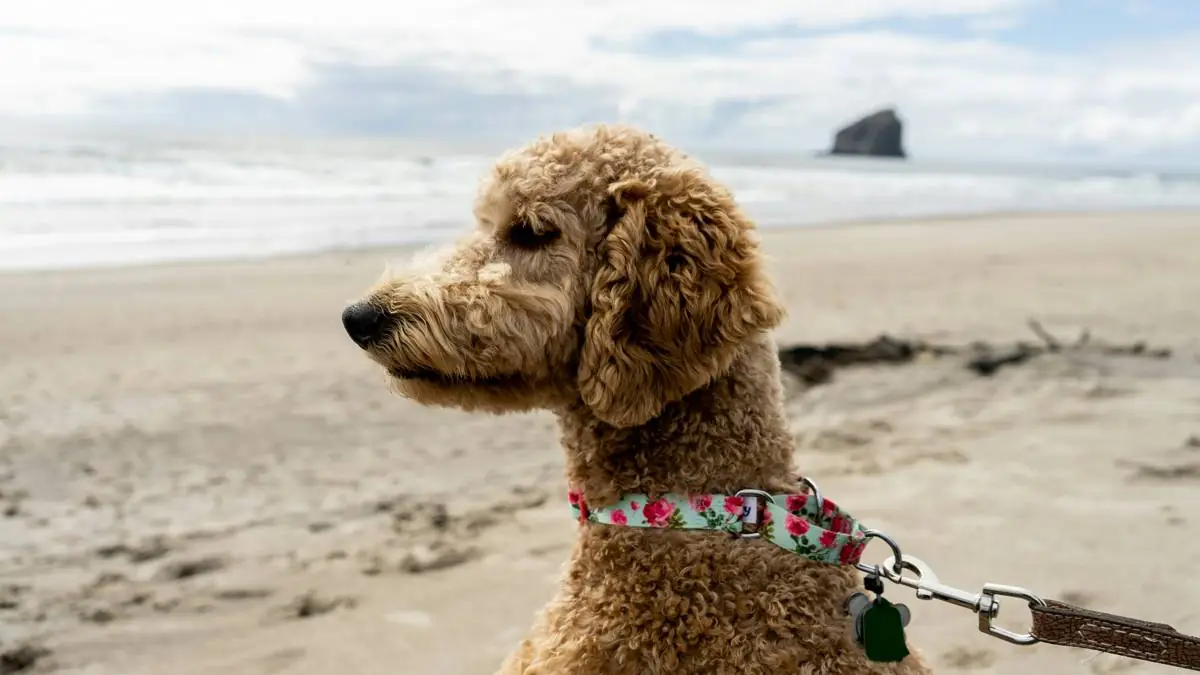
Goldendoodles inherit eye disease risk from both parent breeds — Golden Retrievers and Poodles are each predisposed to several serious ocular conditions. Progressive Retinal Atrophy (PRA), cataracts, and glaucoma are the most common eye problems in Goldendoodles, and without proper screening and early treatment, some of these conditions can lead to irreversible blindness. Understanding these risks helps you choose a reputable breeder, recognize symptoms early, and ensure your insurance coverage is adequate.
| Condition | Treatment | Out-of-Pocket Cost | Typical 80% Reimbursement |
|---|---|---|---|
| Cataract surgery (per eye) | Phacoemulsification + lens implant | $3,500–$5,000 | $2,800–$4,000 |
| Progressive retinal atrophy (PRA) | Antioxidant management, environmental support | $500–$1,500/yr | $400–$1,200/yr |
| Cherry eye repair | Tacking surgery (per eye) | $300–$1,000 | $240–$800 |
| Glaucoma management | Drops + monitoring | $600–$2,400/yr | $480–$1,920/yr |
| Entropion correction | Lid surgery (per eye) | $500–$1,500 | $400–$1,200 |
Figures summarize published plan documents and national cost data reviewed in . Carrier terms, limits, and pricing change without notice and vary by state, pet age, and plan settings. This is not a quote or an offer of insurance — verify details directly with the provider.
What Is Progressive Retinal Atrophy (PRA) in Goldendoodles?
PRA is a group of inherited degenerative diseases that cause the photoreceptor cells in the retina to deteriorate over time, eventually leading to complete blindness. Both Golden Retrievers (GR-PRA1, GR-PRA2) and Poodles (prcd-PRA) carry PRA genes, making Goldendoodles susceptible from both sides.
- Age of onset: Typically 3–7 years, though some forms appear earlier
- Early symptoms: Night blindness (difficulty seeing in dim light), dilated pupils, increased eye shine (tapetal reflection)
- Progression: Gradual loss of peripheral vision, then central vision, leading to total blindness over months to years
- Diagnosis: Ophthalmoscopic exam ($75–$150) reveals retinal changes; electroretinogram (ERG) at $300–$500 provides definitive diagnosis
- Treatment: No cure exists. Antioxidant supplements may slow progression ($20–$40/month). Dogs adapt remarkably well to gradual vision loss.
- Prevention: DNA testing of breeding parents for PRA genes ($50–$200 per parent). A reputable breeder should provide proof of clear PRA testing.
How Common Are Cataracts in Goldendoodles?
Cataracts cause the lens of the eye to become opaque, blocking light from reaching the retina. They're one of the most common eye conditions in both Poodles and Golden Retrievers:
- Hereditary cataracts: Can appear as early as 1–3 years of age. More common in Poodle lines.
- Age-related cataracts: Develop in senior Goldendoodles (8+ years). A natural aging process that affects most dogs to some degree.
- Diabetic cataracts: Rapid-onset cataracts that develop within days to weeks of uncontrolled diabetes. Can cause sudden blindness.
- Symptoms: Cloudy or bluish-white appearance to the eye, bumping into objects, reluctance to navigate unfamiliar environments
Cataract surgery costs:
- Pre-surgical evaluation (ophthalmologist exam, ERG, ultrasound): $300–$700
- Phacoemulsification surgery (per eye): $2,500–$4,500
- Post-operative medications and follow-up: $200–$500
- Total per eye: $3,000–$5,700
Cataract surgery has a 90–95% success rate when performed by a board-certified veterinary ophthalmologist, making it one of the most successful eye surgeries in veterinary medicine.
What Should Goldendoodle Owners Know About Glaucoma?
Glaucoma occurs when fluid pressure inside the eye increases, damaging the optic nerve. It's a veterinary emergency that requires immediate treatment to prevent permanent vision loss:
- Symptoms: Red, painful eye; cloudy cornea; enlarged eye; excessive tearing; squinting; vision loss
- Emergency treatment: $500–$1,500 (pressure-lowering medications, sometimes emergency surgery)
- Ongoing management: $50–$200/month for pressure-lowering eye drops
- Surgical options: Laser cyclophotocoagulation ($1,500–$3,000) or gonioimplant ($2,000–$4,000)
- Enucleation (eye removal): $500–$1,500 for end-stage, painful eyes that no longer respond to treatment
What Other Eye Conditions Affect Goldendoodles?
- Cherry eye: Prolapse of the third eyelid gland. Surgery: $300–$800 per eye. Common in puppies.
- Entropion: Inward-rolling eyelid causing irritation. Surgery: $500–$1,500 per eye.
- Dry eye (KCS): Insufficient tear production. Lifelong medication: $30–$60/month.
Does Insurance Cover Goldendoodle Eye Conditions?
Eye conditions are covered by comprehensive pet insurance, including specialist ophthalmologist visits, surgery, and ongoing medications. Since many eye conditions are hereditary and develop early, enrolling as a puppy is essential. Some insurers may exclude hereditary conditions — avoid these plans. Check our Buyer's Guide for providers with the best hereditary condition coverage, and use the Cost Calculator for estimates.
Related Reading
What Routine Eye Care Do Goldendoodles Need?
Preventive eye care can catch problems early and reduce long-term costs. Establish these habits:
- Daily eye checks: Look for discharge, redness, cloudiness, or changes in pupil size. Wipe away any crusting with a warm, damp cloth. Goldendoodles with lighter coats often develop tear staining — while cosmetic, excessive tearing can indicate blocked tear ducts or eye irritation.
- Keep facial hair trimmed: Overgrown hair around the eyes can scratch the cornea and cause ulcers. Ask your groomer to keep the area around the eyes clear during regular grooming appointments.
- Annual eye exams: A thorough ophthalmoscopic exam ($75–$150) during your annual wellness visit can detect early signs of PRA, cataracts, and glaucoma before they become symptomatic. This is especially important after age 5.
- Protect from UV exposure: Dogs spending extensive time outdoors, especially near water or snow, may benefit from dog-specific UV-protective goggles (Doggles, $15–$30). While not essential for all dogs, they can reduce UV-related eye damage in high-exposure environments.
- Avoid irritants: When bathing your Goldendoodle, prevent shampoo from entering the eyes. Use tearless formulas or apply eye lubricant beforehand.
How Do You Choose a Breeder Focused on Eye Health?
The best defense against hereditary eye conditions starts before you bring your puppy home. A reputable breeder should provide annual CERF (Canine Eye Registration Foundation) or OFA eye clearances for both parent dogs and DNA test results for breed-specific PRA variants (prcd-PRA, GR-PRA1, GR-PRA2). When both parents are genetically clear of PRA, their offspring cannot develop the disease. This genetic testing costs the breeder $100–$200 per parent but can save puppy buyers $5,000+ in potential treatment costs and the heartbreak of watching their dog go blind.
Ask breeders specifically about eye health history in their lines — how many generations back have they tracked eye issues? Have any dogs in their breeding program been diagnosed with cataracts, PRA, or glaucoma? Transparency about health history is a hallmark of responsible breeding.
Frequently Asked Questions
What eye problems are common in Goldendoodles?
The most common are progressive retinal atrophy (PRA) causing gradual blindness, hereditary and senile cataracts, cherry eye ($500–$1,500 surgery), entropion ($1,000–$2,000 surgery), dry eye requiring lifelong medication ($30–$60/month), and glaucoma ($2,000–$4,000 surgery).
How much does cataract surgery cost for a Goldendoodle?
Cataract surgery (phacoemulsification) costs $2,500–$4,000 per eye, or $4,500–$7,500 for both eyes. Post-surgical medications and follow-ups add $300–$600. Complications requiring additional surgery can cost $1,000–$3,000 more.
Can progressive retinal atrophy (PRA) be cured in Goldendoodles?
No, there is no cure for PRA. It is a group of genetic diseases inherited from both Golden Retrievers and Poodles that causes gradual vision loss over 1–2 years, starting with night blindness. Antioxidant supplements may slow progression. Genetic testing can identify carriers before breeding.
Does pet insurance cover eye conditions in Goldendoodles?
Policies that include hereditary condition coverage generally cover PRA, juvenile cataracts, cataract surgery, specialist ophthalmologist visits, and ongoing eye medications. Critical: enroll before any eye changes are noted — even minor findings can trigger pre-existing exclusions.
Wondering what coverage looks like for your Goldendoodle?
Compare plan options in a couple of minutes, or estimate your monthly premium first.
Get a free Goldendoodle insurance quote · Estimate your premium
Advertiser disclosure: GoldendoodleInsurance.com is an independent comparison website — not an insurance company, agency, or producer. We do not sell, issue, or bind policies. We may earn a commission when you click carrier links, at no cost to you. Advertising Disclosure · Editorial Policy.
Sources & References
Premium figures are sample quotes from public provider quoting tools and are illustrative only; medical details are summarized from the veterinary references below and are educational, not veterinary advice.
- Orthopedic Foundation for Animals (OFA). Eye Certification Registry (CAER).
- Merck Veterinary Manual. Progressive Retinal Atrophy in Dogs.
Pricing sources and data vintage
Cost figures on this page are national ranges, not quotes. Each one below is tied to a named publisher and the date we last verified it. Pricing data set: . Next scheduled re-verification: February 2027.
| Figure | Published range | What it covers | Source & date verified |
|---|---|---|---|
| Monthly premium, Goldendoodle accident & illness plan | $25–$70/month | Quotes sampled across ten U.S. carriers for Mini/Medium/Standard profiles at 80–90% reimbursement, $250–$500 annual deductible. Mid-range figure ≈ $45/month. | NAPHIA (North American Pet Health Insurance Association) — State of the Industry Report — average U.S. premiums by coverage type (2026 report). Verified Aug 2026. |
| Hip dysplasia surgery (FHO or total hip replacement) | $3,500–$7,000 per hip | Specialty and teaching-hospital surgical pricing, single hip, including imaging, implant, anesthesia, and post-op rehab. | American Veterinary Medical Association (AVMA) — Cost of veterinary care references / orthopedic procedure benchmarks (2026 guidance). Verified Aug 2026. |
| Bloat (GDV) emergency surgery | $3,000–$7,500 | Emergency gastric decompression, derotation, and gastropexy with 24-hour critical care. Overnight ICU drives the upper end. | Merck Veterinary Manual — Gastric dilation and volvulus in dogs (Current edition, 2026). Verified Aug 2026. |
| Addison's disease (hypoadrenocorticism) maintenance | $200–$500/month | Desoxycorticosterone pivalate injections or fludrocortisone plus prednisone, with periodic electrolyte monitoring. Dose scales with body weight. | American College of Veterinary Internal Medicine (ACVIM) — Consensus statement on canine hypoadrenocorticism (Consensus statement, latest revision). Verified Aug 2026. |
| Lifetime veterinary spend, Goldendoodle | $15,000–$30,000 | Routine care plus expected illness and emergency claims across a 10–14 year lifespan, before insurance reimbursement. | American Veterinary Medical Association (AVMA) — Pet ownership and cost-of-care data (2026 guidance). Verified Aug 2026. |
Veterinary pricing varies by region, clinic type, and case complexity; insurance premiums vary by ZIP code, age, deductible, and reimbursement level. Treat every range as a planning benchmark and confirm current pricing with your veterinarian and current premiums with the provider. Our sourcing rules are documented in the editorial policy.