Health · · 8 min read
Goldendoodle Seizures & Epilepsy: Causes, Treatment Costs & Insurance Coverage
Epilepsy affects 1–5% of Goldendoodles with lifelong meds at $200–$500/year. Seizure triggers, emergency protocols, and which plans cover it.
By Allen Lee, Founder · GoldendoodleInsurance.com
Last updated: · Reviewed by Allen Lee, Founder, Best Dog Insurance LLC
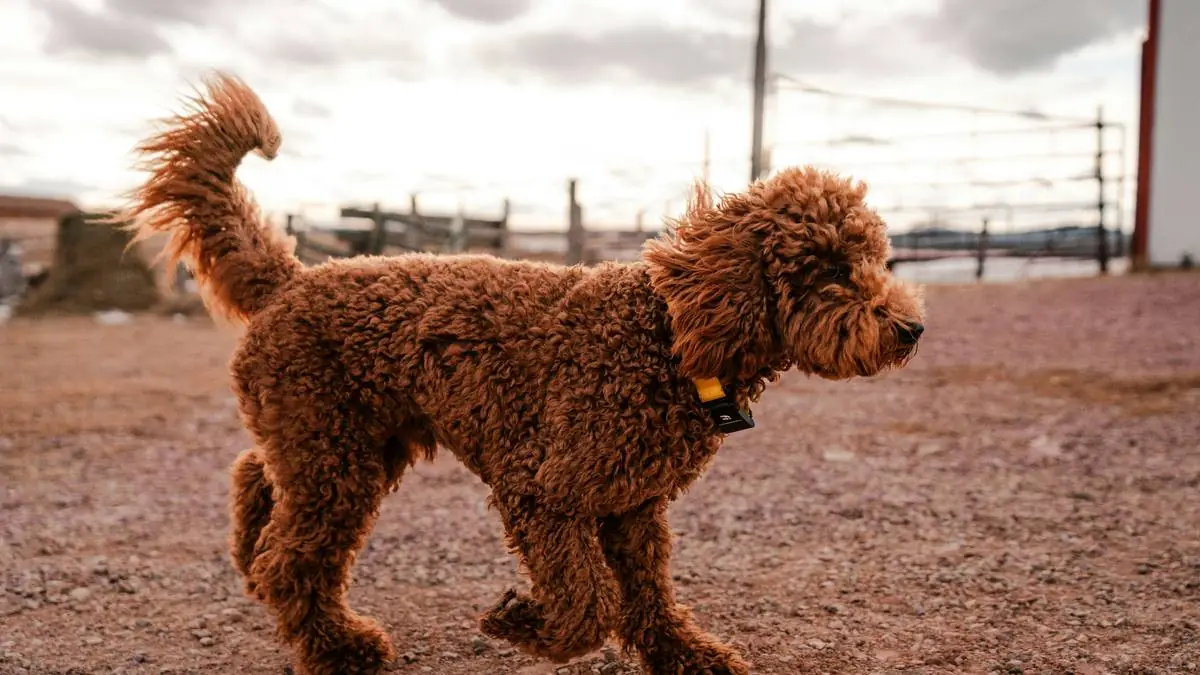
Witnessing your Goldendoodle have a seizure is one of the most frightening experiences a pet owner can face. Seizures in Goldendoodles can range from brief, barely noticeable episodes to full grand mal convulsions requiring emergency veterinary care. Understanding the causes, treatment options, and insurance coverage for seizures helps you respond calmly and ensure your Goldendoodle gets the best possible care.
| Item | Cost | Notes |
|---|---|---|
| Bloodwork + bile acids | $200–$500 | Rules out metabolic causes |
| MRI + CSF tap | $2,000–$3,500 | Required to confirm idiopathic epilepsy |
| Phenobarbital | $20–$60/mo | First-line; quarterly liver panel |
| Levetiracetam (Keppra) | $50–$200/mo | Adjunct or first-line in younger dogs |
| Zonisamide / KBr | $40–$150/mo | Refractory cases |
| Cluster-seizure emergency visit | $500–$2,500 | Covered (post waiting period) |
Figures summarize published plan documents and national cost data reviewed in . Carrier terms, limits, and pricing change without notice and vary by state, pet age, and plan settings. This is not a quote or an offer of insurance — verify details directly with the provider.
What Types of Seizures Affect Goldendoodles?
Three main seizure types affect Goldendoodles: grand mal seizures (full-body convulsions lasting 30 seconds to 2 minutes), focal seizures (affecting one body part while the dog remains conscious), and psychomotor seizures (unusual repetitive behaviors like fly-snapping or sudden aggression). Recurring seizures, two or more within six months, typically require diagnostic workup and lifelong medication.
- Grand mal (generalized tonic-clonic): Full-body convulsions with loss of consciousness, paddling legs, drooling, and sometimes loss of bladder/bowel control. Lasts 30 seconds to 2 minutes. The most dramatic and recognizable type.
- Focal (partial) seizures: Affect one part of the body, facial twitching, one limb jerking, or repetitive movements. The dog may remain conscious. These can progress to grand mal seizures.
- Psychomotor seizures: Unusual behavior episodes — staring into space, snapping at invisible flies, compulsive licking, or sudden aggression. May be mistaken for behavioral issues.
A single seizure isn't necessarily cause for alarm, but recurring seizures (two or more within a 6-month period) typically warrant a diagnostic workup and possibly lifelong medication.
What Causes Seizures in Goldendoodles?
Idiopathic epilepsy is the most common cause of seizures in Goldendoodles aged 1–5 years, with no identifiable trigger beyond suspected genetic predisposition from both Golden Retriever and Poodle lines. Other causes include toxin ingestion, metabolic disorders (liver disease, hypothyroidism, low blood sugar), brain tumors in older dogs, and prior head trauma.
- Idiopathic epilepsy: The most common cause in Goldendoodles aged 1–5 years. No identifiable cause, believed to be genetic. Both Golden Retrievers and Poodles have higher epilepsy rates than average, making Goldendoodles predisposed.
- Toxin ingestion: Xylitol, chocolate, certain plants, pesticides, and medications can trigger seizures. Goldendoodles' curiosity and food motivation increase exposure risk.
- Metabolic disorders: Liver disease, kidney failure, hypothyroidism, low blood sugar, and electrolyte imbalances.
- Brain tumors: More common in dogs over 5 years old. Cancer is a significant concern for Goldendoodles given the Golden Retriever's high cancer rates.
- Infections: Encephalitis, distemper, and tick-borne diseases affecting the brain.
- Head trauma: Previous injury can cause seizures months or years later.
How Much Do Seizure Diagnostics Cost for Goldendoodles?
A Goldendoodle seizure workup costs $150–$300 for basic blood panels that rule out metabolic causes, rising to $4,000+ for a full neurological evaluation including brain MRI ($1,500–$3,000) and cerebrospinal fluid analysis. Most veterinarians start with bloodwork and proceed to advanced imaging only if seizures are frequent or worsen.
- Basic blood panel and urinalysis: $150–$300. Rules out metabolic causes (liver, kidney, thyroid, blood sugar).
- Bile acid test: $50–$100. Specifically evaluates liver function, important for ruling out portosystemic shunts (more common in smaller dogs).
- MRI of the brain: $1,500–$3,000. Identifies tumors, structural abnormalities, or brain inflammation. Often requires referral to a veterinary neurologist.
- Cerebrospinal fluid analysis: $200–$500 (often performed during MRI under the same anesthesia). Identifies infections or inflammation.
- Electroencephalogram (EEG): $300–$500. Available at specialty centers, measures brain electrical activity.
- Toxicology screening: $100–$300 if toxin exposure is suspected.
Total diagnostic costs range from $150 (basic bloodwork only) to $4,000+ (full neurological workup with MRI). Many veterinarians start with bloodwork and only proceed to advanced imaging if seizures are frequent or worsen.
What Are the Treatment Options and Costs?
Goldendoodle seizure treatment typically starts with phenobarbital ($20–$40/month), which controls seizures in 60–80% of cases and requires regular blood monitoring ($80–$150 every 6 months). Alternative medications, levetiracetam ($40–$100/month) and zonisamide ($30–$60/month), are used for dogs with liver concerns or inadequate response to first-line treatment.
- Anti-epileptic medication (phenobarbital): $20–$40/month. First-line treatment, effective in 60–80% of dogs. Requires regular blood monitoring ($80–$150 every 6 months) to check drug levels and liver function.
- Potassium bromide (KBr): $15–$30/month. Often used alongside phenobarbital or as an alternative. Takes 3–4 months to reach therapeutic levels.
- Levetiracetam (Keppra): $40–$100/month. Fewer side effects than phenobarbital but more expensive. Often used for dogs with liver concerns.
- Zonisamide: $30–$60/month. Newer option with good efficacy and fewer side effects.
- Emergency seizure medication (rectal diazepam): $20–$40 for a rescue kit. Used at home to stop prolonged seizures or seizure clusters.
Annual medication and monitoring costs range from $400 to $1,500 depending on the drug regimen and monitoring frequency.
Does Insurance Cover Seizures and Epilepsy in Goldendoodles?
All major pet insurance providers cover seizure diagnosis and treatment, including MRI, neurologist consultations, and ongoing medication. The critical factor is enrollment timing: if your Goldendoodle has a seizure before enrollment, epilepsy will be classified as pre-existing and excluded from coverage. Since idiopathic epilepsy typically appears between ages 1–5, enrolling your Goldendoodle as a puppy ensures coverage for this expensive condition. Lifetime epilepsy management can cost $5,000–$20,000+, making early insurance enrollment one of the smartest financial decisions for Goldendoodle owners. See our Buyer's Guide for plans with the best chronic condition coverage.
What Is It Like Living with an Epileptic Goldendoodle?
An epilepsy diagnosis doesn't mean your Goldendoodle can't live a happy, full life. With proper medication, 60–80% of epileptic dogs achieve good seizure control, defined as a 50% or greater reduction in seizure frequency. Some dogs become completely seizure-free on medication. Key management strategies include:
- Medication consistency: Give anti-epileptic drugs at the same times every day. Never skip doses or stop medication abruptly — this can trigger dangerous seizure clusters or status epilepticus (a life-threatening prolonged seizure).
- Seizure diary: Record every seizure, date, time, duration, type, and any preceding events. This data helps your veterinarian optimize treatment and identify triggers.
- Trigger identification: Some dogs have identifiable seizure triggers including stress, excitement, sleep-wake transitions, weather changes, or exposure to flashing lights. Minimizing triggers can reduce seizure frequency.
- Emergency preparedness: Keep rectal diazepam (Valium) or intranasal midazolam at home for seizures lasting longer than 3 minutes or occurring in clusters. Know where the nearest 24-hour emergency vet is located.
- Lifestyle modifications: Avoid swimming unsupervised (drowning risk during a seizure), maintain consistent routines, and ensure your Goldendoodle is in a safe environment when left alone (no sharp corners, pool access, or elevated surfaces to fall from).
Frequently Asked Questions
Do Goldendoodles get epilepsy?
Yes, idiopathic epilepsy affects 1–5% of Goldendoodles and is inherited from both Golden Retriever and Poodle genetics. It typically appears between ages 1–5 and requires lifelong anticonvulsant medication.
How much does epilepsy treatment cost for a Goldendoodle?
Diagnosis costs $500–$5,000+ (including potential MRI at $1,500–$3,000). Ongoing medication costs $200–$500/year, plus monitoring blood work at $200–$400/year. Lifetime costs can reach $4,000–$15,000+.
Does pet insurance cover seizures in Goldendoodles?
Yes, most comprehensive plans cover epilepsy including all diagnostic testing (MRI, blood work), ongoing anticonvulsant medications, emergency visits for cluster seizures, and monitoring blood work — as long as the dog was enrolled before the first seizure occurred.
Wondering what coverage looks like for your Goldendoodle?
Compare plan options in a couple of minutes, or estimate your monthly premium first.
Get a free Goldendoodle insurance quote · Estimate your premium
Advertiser disclosure: GoldendoodleInsurance.com is an independent comparison website — not an insurance company, agency, or producer. We do not sell, issue, or bind policies. We may earn a commission when you click carrier links, at no cost to you. Advertising Disclosure · Editorial Policy.
Sources & References
Premium figures are sample quotes from public provider quoting tools and are illustrative only; medical details are summarized from the veterinary references below and are educational, not veterinary advice.
- American College of Veterinary Internal Medicine. ACVIM Consensus on Idiopathic Epilepsy in Dogs.
- Merck Veterinary Manual. Seizures in Dogs.
- VCA Animal Hospitals. Epilepsy in Dogs.
Pricing sources and data vintage
Cost figures on this page are national ranges, not quotes. Each one below is tied to a named publisher and the date we last verified it. Pricing data set: . Next scheduled re-verification: February 2027.
| Figure | Published range | What it covers | Source & date verified |
|---|---|---|---|
| Monthly premium, Goldendoodle accident & illness plan | $25–$70/month | Quotes sampled across ten U.S. carriers for Mini/Medium/Standard profiles at 80–90% reimbursement, $250–$500 annual deductible. Mid-range figure ≈ $45/month. | NAPHIA (North American Pet Health Insurance Association) — State of the Industry Report — average U.S. premiums by coverage type (2026 report). Verified Aug 2026. |
| Hip dysplasia surgery (FHO or total hip replacement) | $3,500–$7,000 per hip | Specialty and teaching-hospital surgical pricing, single hip, including imaging, implant, anesthesia, and post-op rehab. | American Veterinary Medical Association (AVMA) — Cost of veterinary care references / orthopedic procedure benchmarks (2026 guidance). Verified Aug 2026. |
| Bloat (GDV) emergency surgery | $3,000–$7,500 | Emergency gastric decompression, derotation, and gastropexy with 24-hour critical care. Overnight ICU drives the upper end. | Merck Veterinary Manual — Gastric dilation and volvulus in dogs (Current edition, 2026). Verified Aug 2026. |
| Addison's disease (hypoadrenocorticism) maintenance | $200–$500/month | Desoxycorticosterone pivalate injections or fludrocortisone plus prednisone, with periodic electrolyte monitoring. Dose scales with body weight. | American College of Veterinary Internal Medicine (ACVIM) — Consensus statement on canine hypoadrenocorticism (Consensus statement, latest revision). Verified Aug 2026. |
| Lifetime veterinary spend, Goldendoodle | $15,000–$30,000 | Routine care plus expected illness and emergency claims across a 10–14 year lifespan, before insurance reimbursement. | American Veterinary Medical Association (AVMA) — Pet ownership and cost-of-care data (2026 guidance). Verified Aug 2026. |
Veterinary pricing varies by region, clinic type, and case complexity; insurance premiums vary by ZIP code, age, deductible, and reimbursement level. Treat every range as a planning benchmark and confirm current pricing with your veterinarian and current premiums with the provider. Our sourcing rules are documented in the editorial policy.