Insurance Tips · · 8 min read
Adopting a Rescue Goldendoodle? Health Risks, Insurance Options & What to Know
Rescue Goldendoodles come with unknown health histories. Get coverage despite pre-existing conditions, what the first vet visit reveals, hidden costs.
By Allen Lee, Founder · GoldendoodleInsurance.com
Last updated: · Reviewed by Allen Lee, Founder, Best Dog Insurance LLC
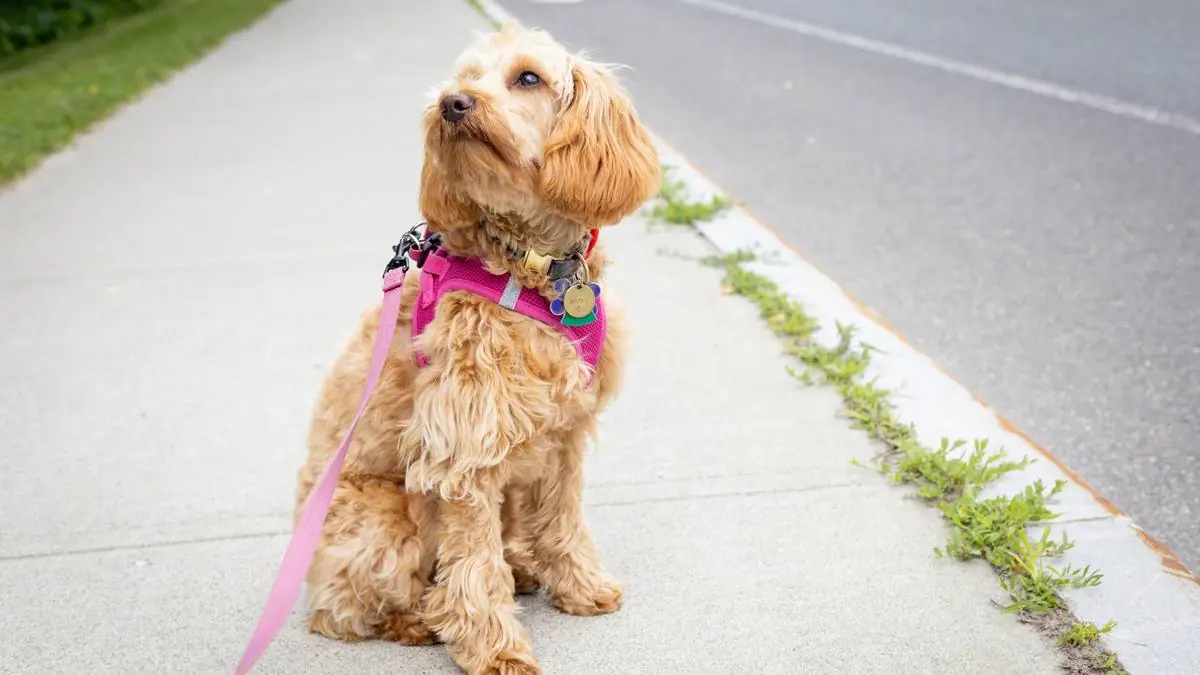
Adopting a rescue Goldendoodle is a wonderful decision — but it comes with unique challenges that buying from a breeder doesn't. Unknown health histories, potential pre-existing conditions, and the need for immediate veterinary care make insurance planning especially important for rescue dogs.
| Action | Timing | Cost | Why It Matters |
|---|---|---|---|
| Enroll insurance | Day 1 (before vet visit) | $30–$70/mo | Anything diagnosed after enrollment is covered |
| Full vet exam + bloodwork | Day 1–7 | $200–$450 | Baseline kidney, liver, thyroid |
| Heartworm + tick-borne panel | Day 1–7 | $50–$120 | Adoption-population prevalence is high |
| OFA-grade hip/elbow rads | Day 14–30 | $300–$600 | Establishes orthopedic baseline before claims |
| Dental + skin assessment | Day 14–30 | Included in exam | Common rescue-dog issues |
Figures summarize published plan documents and national cost data reviewed in . Carrier terms, limits, and pricing change without notice and vary by state, pet age, and plan settings. This is not a quote or an offer of insurance — verify details directly with the provider.
Why Are Rescue Goldendoodles Different from Breeder Dogs?
Rescue Goldendoodles differ from breeder dogs primarily because their health history is unknown, no parental genetic testing records, incomplete vaccination history, and potentially untreated conditions that may surface after adoption. This creates unique insurance planning and first-year veterinary cost challenges:
- No health testing records: You won't know if the parents were screened for hip dysplasia, Addison's disease, or PRA
- Unknown age (sometimes): Estimated ages make it harder to predict health risks and affect insurance pricing
- Previous neglect or abuse: May have untreated injuries, dental disease, or behavioral issues
- Incomplete vaccination history: May need to restart the full vaccination series
- Unknown diet and care history: Nutritional deficiencies can cause long-term health problems
What Are the Most Common Health Issues in Rescue Goldendoodles?
The most common health issues in rescue Goldendoodles include severe dental disease ($500–$3,000), skin infections, intestinal parasites, heartworm, and behavioral problems like separation anxiety. These conditions typically reflect prior neglect and are often discovered at the first veterinary exam:
- Dental disease: Often severe in adult rescues — professional cleaning and extractions can cost $500–$3,000
- Skin infections and mange: From neglected grooming — treatment costs $200–$1,000
- Intestinal parasites: Common in dogs from shelters or hoarding situations — treatment $50–$200
- Heartworm: If heartworm prevention wasn't given, treatment costs $1,000–$3,000+
- Behavioral issues: Separation anxiety, fear aggression, and resource guarding are common in rescues
- Orthopedic problems: Untreated injuries that healed incorrectly may require surgical correction
What Should You Expect at a Rescue Goldendoodle's First Vet Visit?
Budget $200–$500 for a comprehensive initial veterinary exam for your rescue Goldendoodle:
- Complete physical examination: $50–$100
- Blood work (CBC, chemistry panel): $100–$250
- Heartworm test: $25–$50
- Fecal exam (parasite check): $25–$50
- Vaccinations (if needed): $50–$150
- Microchip scan and/or implantation: $25–$75
This initial exam is critical not just for your dog's health but for your insurance — any conditions documented at this visit will be in the medical record and could affect coverage eligibility.
How Do Pre-Existing Conditions Affect Insurance for Rescue Goldendoodles?
Pre-existing conditions are the primary insurance obstacle for rescue Goldendoodles, any condition documented before enrollment will be permanently or temporarily excluded from coverage. Enrolling before the first vet visit maximizes protection by preventing conditions from entering the medical record first. Key strategies include:
- Enroll before the first vet visit if possible: Some insurers allow enrollment with coverage starting immediately for accidents. Enrolling before the initial exam means conditions found at that visit may be covered (after waiting periods)
- "Curable" pre-existing conditions: Some insurers (such as Embrace) may cover conditions that have been symptom-free for 12 months — this includes ear infections, UTIs, and GI issues
- "Incurable" pre-existing conditions: Chronic conditions like hip dysplasia, allergies, or heart disease documented before enrollment will be generally excluded for the life of the policy
- Unknown history advantage: With no prior vet records, rescue dogs effectively start with a "clean slate", another reason to enroll before the first exam
What Are the Best Insurance Strategies for Rescue Goldendoodles?
- Enroll the same day you adopt: Don't wait for the first vet visit. Get the policy active before any conditions are documented
- Choose a plan with curable pre-existing condition coverage: Embrace publishes coverage for curable conditions after 12 months symptom-free — confirm the current terms with the carrier
- Select comprehensive coverage: Rescue dogs need comprehensive accident-and-illness coverage, not accident-only
- Consider a lower deductible: Rescue dogs often need more veterinary care in the first year, a lower deductible gets you reimbursed faster
- Add wellness coverage for the first year: Wellness plans help offset the high initial costs of vaccinations, dental work, and baseline testing
How Do Rescue vs. Breeder Goldendoodle Costs Compare?
- Rescue adoption fee: $200–$600 (often includes spay/neuter, vaccinations, and microchip)
- Breeder puppy price: $2,000–$5,000
- First-year medical costs (rescue): $500–$3,000 (higher due to unknown history)
- First-year medical costs (breeder puppy): $300–$800 (predictable, health-tested)
While rescue adoption costs less upfront, the first-year medical expenses can be higher due to untreated conditions. Insurance helps level the playing field.
What Is the Bottom Line?
Rescue Goldendoodles deserve the same protection as breeder puppies — arguably more, given their unknown health histories. The key is enrolling in insurance before the first veterinary visit to maximize coverage eligibility. Choose a comprehensive plan with curable pre-existing condition coverage, and budget for higher first-year veterinary expenses. Compare rescue-friendly insurance plans in our Buyer's Guide or estimate your premiums with our Cost Calculator.
Frequently Asked Questions
Can I get pet insurance for a rescue Goldendoodle?
Yes, but timing is critical. Ideally, get insurance BEFORE the first comprehensive vet visit since any conditions found at that exam become pre-existing exclusions. Some insurers cover "curable" pre-existing conditions after 12–18 months symptom-free.
What health problems are common in rescue Goldendoodles?
Rescue Goldendoodles commonly present with dental disease ($500–$2,000 for initial treatment), chronic skin infections, intestinal parasites, heartworm (especially from southern U.S. rescues), untreated orthopedic issues like hip dysplasia, and behavioral problems like separation anxiety.
How much does adopting a rescue Goldendoodle really cost?
Beyond the $200–$600 adoption fee, expect $800–$3,500+ in first-month costs including comprehensive vet exam, blood work, dental cleaning, professional grooming, medications, and supplies.
Wondering what coverage looks like for your Goldendoodle?
Compare plan options in a couple of minutes, or estimate your monthly premium first.
Get a free Goldendoodle insurance quote · Estimate your premium
Advertiser disclosure: GoldendoodleInsurance.com is an independent comparison website — not an insurance company, agency, or producer. We do not sell, issue, or bind policies. We may earn a commission when you click carrier links, at no cost to you. Advertising Disclosure · Editorial Policy.
Sources & References
Premium figures are sample quotes from public provider quoting tools and are illustrative only; medical details are summarized from the veterinary references below and are educational, not veterinary advice.
- American Veterinary Medical Association (AVMA). Adopting a Pet.
- North American Pet Health Insurance Association (NAPHIA). Pre-Existing Condition Industry Standards.
Pricing sources and data vintage
Cost figures on this page are national ranges, not quotes. Each one below is tied to a named publisher and the date we last verified it. Pricing data set: . Next scheduled re-verification: February 2027.
| Figure | Published range | What it covers | Source & date verified |
|---|---|---|---|
| Monthly premium, Goldendoodle accident & illness plan | $25–$70/month | Quotes sampled across ten U.S. carriers for Mini/Medium/Standard profiles at 80–90% reimbursement, $250–$500 annual deductible. Mid-range figure ≈ $45/month. | NAPHIA (North American Pet Health Insurance Association) — State of the Industry Report — average U.S. premiums by coverage type (2026 report). Verified Aug 2026. |
| Hip dysplasia surgery (FHO or total hip replacement) | $3,500–$7,000 per hip | Specialty and teaching-hospital surgical pricing, single hip, including imaging, implant, anesthesia, and post-op rehab. | American Veterinary Medical Association (AVMA) — Cost of veterinary care references / orthopedic procedure benchmarks (2026 guidance). Verified Aug 2026. |
| Bloat (GDV) emergency surgery | $3,000–$7,500 | Emergency gastric decompression, derotation, and gastropexy with 24-hour critical care. Overnight ICU drives the upper end. | Merck Veterinary Manual — Gastric dilation and volvulus in dogs (Current edition, 2026). Verified Aug 2026. |
| Addison's disease (hypoadrenocorticism) maintenance | $200–$500/month | Desoxycorticosterone pivalate injections or fludrocortisone plus prednisone, with periodic electrolyte monitoring. Dose scales with body weight. | American College of Veterinary Internal Medicine (ACVIM) — Consensus statement on canine hypoadrenocorticism (Consensus statement, latest revision). Verified Aug 2026. |
| Lifetime veterinary spend, Goldendoodle | $15,000–$30,000 | Routine care plus expected illness and emergency claims across a 10–14 year lifespan, before insurance reimbursement. | American Veterinary Medical Association (AVMA) — Pet ownership and cost-of-care data (2026 guidance). Verified Aug 2026. |
Veterinary pricing varies by region, clinic type, and case complexity; insurance premiums vary by ZIP code, age, deductible, and reimbursement level. Treat every range as a planning benchmark and confirm current pricing with your veterinarian and current premiums with the provider. Our sourcing rules are documented in the editorial policy.