Care & Costs · · 7 min read
Goldendoodle Exercise Needs by Age & Size: Complete Activity Guide
From 5-minute puppy walks to 60-minute adult hikes — exact exercise guidelines by age and size to prevent injuries and behavior issues.
By Allen Lee, Founder · GoldendoodleInsurance.com
Last updated: · Reviewed by Allen Lee, Founder, Best Dog Insurance LLC
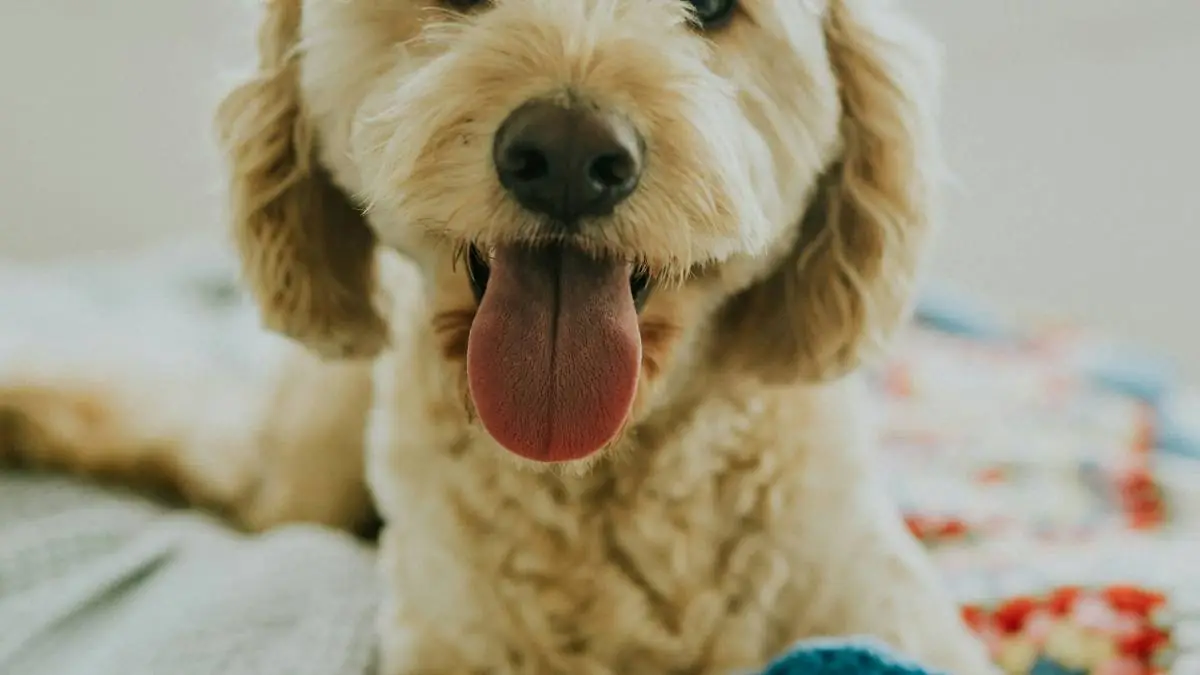
Goldendoodles are active, athletic dogs that require regular exercise to maintain physical health, mental stimulation, and good behavior. However, exercise needs vary dramatically based on age and size — what's appropriate for a standard adult Goldendoodle would be excessive for a mini puppy, and vice versa. Understanding these differences helps prevent injuries, manage weight, and support long-term joint health.
| Life Stage | Mini | Medium | Standard | Notes |
|---|---|---|---|---|
| Puppy (under 12 mo) | 10–25 min × 2 | 15–30 min × 2 | 20–40 min × 2 | 5-minute rule per month of age |
| Adolescent (1–2 yr) | 45–60 min | 60–75 min | 75–100 min | Add mental enrichment |
| Adult (2–7 yr) | 45–60 min | 60–90 min | 90–120 min | Mix walks, fetch, swim |
| Senior (8+ yr) | 30–45 min | 45–60 min | 45–75 min | Lower impact, joint care |
Figures summarize published plan documents and national cost data reviewed in . Carrier terms, limits, and pricing change without notice and vary by state, pet age, and plan settings. This is not a quote or an offer of insurance — verify details directly with the provider.
How Much Exercise Does a Goldendoodle Puppy Need?
Goldendoodle puppies need just 5–10 minutes of structured exercise per session at 8–12 weeks, increasing to 20–30 minutes twice daily by 6–12 months. Over-exercising before growth plates close risks lasting joint damage — the widely used "5-minute rule" (5 minutes per month of age, twice daily) provides a safe, practical starting guideline.
- 8–12 weeks: 5–10 minutes of structured exercise per session, 2–3 times daily. Focus on short play sessions, gentle exploration, and basic training. Avoid stairs, jumping, and slippery floors.
- 3–6 months: 15–20 minutes per session, 2–3 times daily. Introduce short leash walks on soft surfaces. Continue avoiding repetitive high-impact activities (jumping, long runs, forced exercise).
- 6–12 months: 20–30 minutes per session, 2 times daily. Gradually increase distance and intensity. Still avoid sustained running on hard surfaces — growth plates haven't closed yet, especially in standard Goldendoodles.
The "5-minute rule": A commonly cited guideline suggests 5 minutes of structured exercise per month of age, twice daily. So a 4-month-old puppy would get two 20-minute sessions. While not scientifically validated, it provides a reasonable starting framework.
Over-exercising puppies can cause lasting damage to developing joints, potentially accelerating hip dysplasia and other orthopedic conditions. This is especially critical for standard Goldendoodles, whose large frame puts more stress on growing bones.
How Much Exercise Does an Adult Goldendoodle Need?
Adult Goldendoodles need 60–120 minutes of daily exercise, depending on size and energy level:
- Mini Goldendoodle: 45–75 minutes daily. Shorter but more frequent activity sessions. Prone to bursts of energy followed by rest. Good candidates for fetch, agility, and indoor play.
- Medium Goldendoodle: 60–90 minutes daily. Versatile exercise partners — enjoy walks, hikes, swimming, and dog park play. Good endurance for moderate-length hikes.
- Standard Goldendoodle: 75–120 minutes daily. Need significant exercise to prevent boredom and destructive behavior. Excellent hiking, running, and swimming companions. Can handle longer, more strenuous activities.
Best exercises for Goldendoodles:
- Swimming: Low-impact, excellent for joints, and most Goldendoodles love water. Just dry those ears afterward!
- Fetch: Combines running with mental stimulation and obedience. Great for burning energy quickly.
- Hiking: Goldendoodles make excellent trail companions. Start with shorter trails and build up endurance.
- Agility training: Provides both physical exercise and mental challenge. Goldendoodles excel at agility due to their Poodle intelligence and athletic build.
- Dog park play: Socialization plus exercise. Monitor play to prevent injuries from roughhousing.
How Much Exercise Does a Senior Goldendoodle Need?
Senior Goldendoodles need 30–60 minutes of daily exercise split into 2–3 shorter sessions, with running and jumping replaced by walking, gentle swimming, and low-impact play on soft surfaces. Post-exercise stiffness, limping, or reluctance to move are signs of arthritis that warrant veterinary evaluation rather than further activity.
- Duration: Reduce to 30–60 minutes daily, split into 2–3 shorter sessions
- Intensity: Replace running and jumping with walking, gentle swimming, and low-impact play
- Surface: Choose soft surfaces (grass, trails) over pavement to reduce joint impact
- Watch for signs of pain: Stiffness after exercise, reluctance to walk, limping — these may indicate arthritis that needs veterinary attention
- Mental exercise: Puzzle toys, scent work, and gentle training sessions keep senior minds sharp without physical strain
What Exercise-Related Health Risks Affect Goldendoodles?
Both under-exercise and over-exercise create health risks for Goldendoodles: insufficient activity causes obesity and behavioral issues, while excessive exercise leads to ACL tears, heat stroke in thick-coated dogs, and growth plate damage in puppies. Vigorous exercise within 1–2 hours of meals also significantly elevates bloat risk in standard Goldendoodles.
- Under-exercise: Obesity (leading to joint disease, diabetes, heart problems), behavioral issues (anxiety, destructive chewing), and muscle weakness
- Over-exercise: Joint injuries (ACL tears), heat stroke (especially thick-coated Goldendoodles), and growth plate damage in puppies
- Post-meal exercise: Vigorous exercise immediately after eating increases bloat/GDV risk in standard Goldendoodles. Wait 1–2 hours after meals.
Does Insurance Cover Exercise-Related Goldendoodle Injuries?
Exercise-related injuries — ACL tears, fractures, heat stroke, and bloat — are covered by pet insurance as accidents or illnesses. These are among the most common claims for active breeds like Goldendoodles. Enrolling in insurance before your Goldendoodle's first injury ensures coverage for the active lifestyle this breed demands. Estimate your coverage needs with our Cost Calculator and compare plans in the Buyer's Guide.
Why Is Mental Exercise Just as Important as Physical for Goldendoodles?
Goldendoodles are highly intelligent dogs that need mental stimulation alongside physical exercise. A physically tired Goldendoodle who is mentally bored can still be destructive, anxious, or restless. Incorporate these mental exercise strategies:
- Puzzle feeders and food toys: Replace the food bowl with puzzle feeders, snuffle mats, or Kong toys. This turns mealtime into a 15–30 minute mental workout. Cost: $10–$40.
- Training sessions: Short (5–10 minute) training sessions throughout the day teach new skills and reinforce obedience while providing intense mental engagement. Goldendoodles excel at learning tricks and commands.
- Scent work: Hide treats around the house or yard and encourage your Goldendoodle to find them. Scent work is one of the most mentally tiring activities for dogs — 15 minutes of scent work can tire a dog as much as a 45-minute walk.
- Socialization outings: Pet-friendly stores, outdoor cafes, and new environments provide a wealth of novel stimuli. These outings combine mild physical activity with intense sensory processing.
- Interactive play: Games like "find it," hide and seek, or learning toy names challenge your Goldendoodle's cognitive abilities while strengthening your bond.
A balanced exercise routine combining physical activity and mental stimulation keeps your Goldendoodle healthy, calm, and well-behaved — reducing the likelihood of anxiety-related behavioral problems and the veterinary costs that can accompany them.
Frequently Asked Questions
How much exercise does a Goldendoodle need?
Adult Goldendoodles need 30–60 minutes of exercise daily. Minis need 30–45 minutes, Mediums 45–60 minutes, and Standards 60+ minutes. Puppies follow the "5-minute rule" — 5 minutes per month of age, twice daily. Senior dogs (7+) benefit from 20–30 minutes of gentle activity.
Can you over-exercise a Goldendoodle puppy?
Yes. Over-exercising puppies can damage developing growth plates, increasing the risk of hip dysplasia and joint problems — conditions Goldendoodles are already predisposed to. Avoid forced running, jumping, and stair climbing until growth plates close (12–18 months depending on size).
What are the best exercises for Goldendoodles?
Swimming (low-impact, excellent for joints), fetch (mental and physical stimulation), hiking (moderate terrain), and interactive puzzle toys. Avoid repetitive high-impact activities like jogging on concrete. Standard Goldendoodles excel at dock diving and agility after age 2.
Can lack of exercise cause health problems in Goldendoodles?
Yes. Under-exercised Goldendoodles are prone to obesity (which worsens joint problems), destructive behavior from boredom, separation anxiety, and muscle wasting that reduces joint support. Regular exercise is both a health investment and a way to reduce veterinary costs long-term.
Wondering what coverage looks like for your Goldendoodle?
Compare plan options in a couple of minutes, or estimate your monthly premium first.
Get a free Goldendoodle insurance quote · Estimate your premium
Advertiser disclosure: GoldendoodleInsurance.com is an independent comparison website — not an insurance company, agency, or producer. We do not sell, issue, or bind policies. We may earn a commission when you click carrier links, at no cost to you. Advertising Disclosure · Editorial Policy.
Sources & References
Premium figures are sample quotes from public provider quoting tools and are illustrative only; medical details are summarized from the veterinary references below and are educational, not veterinary advice.
- American Kennel Club (AKC). How Much Exercise Does a Puppy Need?.
- Orthopedic Foundation for Animals (OFA). Growth Plate Closure and Orthopedic Risk.
Pricing sources and data vintage
Cost figures on this page are national ranges, not quotes. Each one below is tied to a named publisher and the date we last verified it. Pricing data set: . Next scheduled re-verification: February 2027.
| Figure | Published range | What it covers | Source & date verified |
|---|---|---|---|
| Monthly premium, Goldendoodle accident & illness plan | $25–$70/month | Quotes sampled across ten U.S. carriers for Mini/Medium/Standard profiles at 80–90% reimbursement, $250–$500 annual deductible. Mid-range figure ≈ $45/month. | NAPHIA (North American Pet Health Insurance Association) — State of the Industry Report — average U.S. premiums by coverage type (2026 report). Verified Aug 2026. |
| Hip dysplasia surgery (FHO or total hip replacement) | $3,500–$7,000 per hip | Specialty and teaching-hospital surgical pricing, single hip, including imaging, implant, anesthesia, and post-op rehab. | American Veterinary Medical Association (AVMA) — Cost of veterinary care references / orthopedic procedure benchmarks (2026 guidance). Verified Aug 2026. |
| Bloat (GDV) emergency surgery | $3,000–$7,500 | Emergency gastric decompression, derotation, and gastropexy with 24-hour critical care. Overnight ICU drives the upper end. | Merck Veterinary Manual — Gastric dilation and volvulus in dogs (Current edition, 2026). Verified Aug 2026. |
| Addison's disease (hypoadrenocorticism) maintenance | $200–$500/month | Desoxycorticosterone pivalate injections or fludrocortisone plus prednisone, with periodic electrolyte monitoring. Dose scales with body weight. | American College of Veterinary Internal Medicine (ACVIM) — Consensus statement on canine hypoadrenocorticism (Consensus statement, latest revision). Verified Aug 2026. |
| Lifetime veterinary spend, Goldendoodle | $15,000–$30,000 | Routine care plus expected illness and emergency claims across a 10–14 year lifespan, before insurance reimbursement. | American Veterinary Medical Association (AVMA) — Pet ownership and cost-of-care data (2026 guidance). Verified Aug 2026. |
Veterinary pricing varies by region, clinic type, and case complexity; insurance premiums vary by ZIP code, age, deductible, and reimbursement level. Treat every range as a planning benchmark and confirm current pricing with your veterinarian and current premiums with the provider. Our sourcing rules are documented in the editorial policy.