Health · · 7 min read
Goldendoodle Luxating Patella: Surgery Costs, Recovery & Insurance Coverage
Luxating patella is especially common in Mini Goldendoodles, surgery runs $1.5K–$3K per knee. Grades explained, when surgery is needed, and insurance.
By Allen Lee, Founder · GoldendoodleInsurance.com
Last updated: · Reviewed by Allen Lee, Founder, Best Dog Insurance LLC
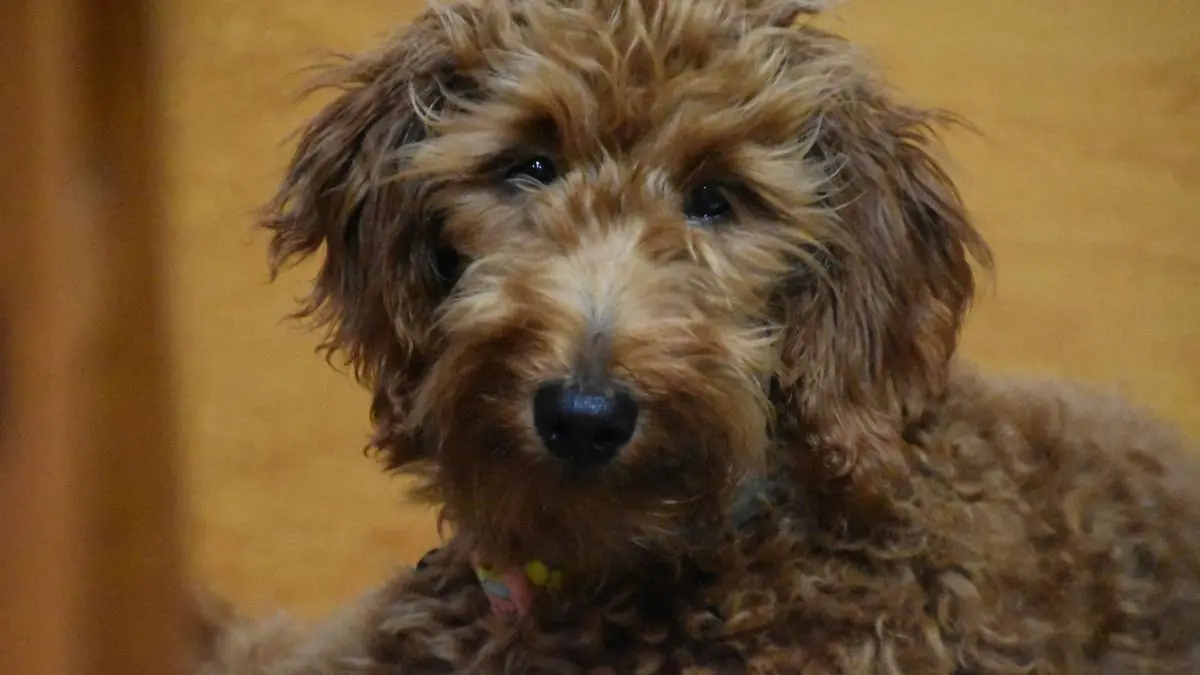
Luxating patella, a condition where the kneecap (patella) slides out of its normal position, is one of the most common orthopedic problems in small and medium-sized dogs, making it a significant concern for mini Goldendoodles. While standard-sized Goldendoodles can also be affected, the condition is far more prevalent in dogs under 35 pounds. Left untreated, luxating patella can lead to chronic pain, arthritis, and permanent lameness.
| Grade | Description | Recommended Action | Cost |
|---|---|---|---|
| Grade I | Patella manually luxates, returns spontaneously | Weight control, monitor | $50–$150/yr |
| Grade II | Occasional skipping; reduces with extension | Rehab + NSAIDs; surgery if symptomatic | $300–$1,200/yr |
| Grade III | Frequent luxation; requires manual reduction | Surgery recommended | $2,000–$4,000/knee |
| Grade IV | Permanently luxated; cannot be reduced | Surgery required | $3,000–$5,000/knee |
Figures summarize published plan documents and national cost data reviewed in . Carrier terms, limits, and pricing change without notice and vary by state, pet age, and plan settings. This is not a quote or an offer of insurance — verify details directly with the provider.
What Are the Grades of Luxating Patella in Goldendoodles?
Veterinarians classify luxating patella into four grades based on severity:
- Grade I: The kneecap can be manually pushed out of position but returns to its groove on its own. Rarely causes symptoms. Dogs may occasionally skip or hop but are generally normal.
- Grade II: The kneecap spontaneously luxates during normal activity and sometimes stays out of position until manually replaced or until the dog extends the leg. Intermittent lameness. Most common grade at diagnosis.
- Grade III: The kneecap is out of position most of the time but can be manually pushed back (though it immediately luxates again). Persistent lameness and noticeable gait abnormality.
- Grade IV: The kneecap is permanently luxated and cannot be returned to its normal position manually. Severe lameness, often with a bow-legged stance. The femoral groove may be shallow or absent.
Grades I and mild II are often managed conservatively, while grades III and IV typically require surgical correction.
What Are the Symptoms of Luxating Patella in Goldendoodles?
The hallmark symptom of luxating patella in Goldendoodles is intermittent skipping or hopping on a back leg — the kneecap briefly pops out of its groove then returns to normal. Other signs include difficulty jumping onto furniture, stiffness after rest, an audible cracking sensation at the knee, and in severe cases a persistent bow-legged stance.
- Intermittent skipping or hopping on the affected leg (the hallmark sign)
- Sudden holding up of a back leg while running, then putting it back down after a few steps
- Difficulty jumping onto furniture or climbing stairs
- Stiffness after rest
- Cracking or popping sensation when the knee flexes
- Bow-legged appearance in severe cases
- Reluctance to exercise or play
Many owners first notice the issue when their Goldendoodle takes a few quick skipping steps during a walk and then continues normally; this is the patella popping out and then returning to its groove.
What Are the Treatment Options and Costs?
Conservative management of Grade I–II luxating patella costs $400–$1,200/year (supplements, anti-inflammatories, weight management, monitoring X-rays), while surgical correction for Grade II–IV costs $2,400–$6,000 per knee. About 15–20% of affected dogs eventually need surgery on both knees, potentially doubling the total cost.
Conservative management (Grade I and mild Grade II):
- Weight management to reduce stress on the joint
- Joint supplements (glucosamine/chondroitin): $20–$50/month
- Anti-inflammatory medication as needed: $30–$60/month
- Physical therapy to strengthen surrounding muscles: $50–$150/session
- Activity modification: avoiding jumping and high-impact activities
- Annual monitoring X-rays: $150–$300
- Annual conservative cost: $400–$1,200
Surgical correction (Grade II–IV):
- Pre-surgical consultation and imaging: $200–$500
- Surgery (trochleoplasty with tibial tuberosity transposition): $1,500–$3,500 per knee
- Post-operative care, medications, and follow-up: $200–$500
- Physical rehabilitation (recommended): $500–$1,500 total
- Total surgical cost per knee: $2,400–$6,000
Approximately 15–20% of dogs with luxating patella in one knee will eventually develop it in the other knee as well, potentially doubling the surgical cost.
What Is the Recovery and Prognosis After Luxating Patella Surgery?
Surgical success rates are excellent — 90–95% of dogs return to normal or near-normal function. Recovery typically involves:
- 6–8 weeks of strict rest and limited activity
- Gradual return to normal exercise over 3–4 months
- Physical therapy to restore strength and range of motion
- Long-term prognosis is good, though some dogs may develop arthritis in the affected joint later in life
Does Insurance Cover Luxating Patella in Goldendoodles?
Luxating patella is covered by most comprehensive pet insurance plans, but there are important caveats. Some insurers impose specific waiting periods for orthopedic conditions (often 6–12 months compared to the standard 14-day waiting period for illnesses). Bilateral exclusions may apply, if luxating patella is diagnosed in one knee before enrollment, some insurers will exclude both knees. To ensure full coverage, enroll your Goldendoodle puppy before any lameness or orthopedic issues are documented. Compare orthopedic coverage and waiting periods in our Buyer's Guide and estimate costs with the Cost Calculator.
Related Reading
How Can You Reduce Luxating Patella Risk in Goldendoodles?
While genetic predisposition is the primary cause of luxating patella, environmental factors can influence severity and onset. Implement these preventive strategies, especially for mini Goldendoodle owners:
- Weight management: Maintaining ideal body weight reduces stress on the knee joint and can prevent mild cases from progressing. Every excess pound matters significantly in a 20-pound dog.
- Controlled puppy exercise: Avoid jumping from furniture, stairs, and high-impact activities during growth plate development (up to 12–14 months in minis). Use ramps and baby gates to prevent jumping.
- Floor surfaces: Slippery hardwood and tile floors increase the risk of knee injuries. Use rugs and runners in areas where your Goldendoodle runs and plays.
- Muscle strengthening: Regular, controlled exercise that builds quadricep strength helps stabilize the knee joint. Walking on gentle inclines and controlled sit-to-stand exercises are excellent for knee health.
- Joint supplements: Starting glucosamine/chondroitin ($20–$50/month) early may help maintain cartilage health in the patellofemoral groove.
If purchasing from a breeder, verify that both parent dogs have OFA patellar evaluations, particularly important when one or both parents are miniature-sized. A breeder who doesn't test for luxating patella in mini breeding dogs is cutting a critical corner that could cost you thousands in surgical bills.
Frequently Asked Questions
How much does luxating patella surgery cost for a Goldendoodle?
Surgery costs $1,500–$3,000 per knee, with total costs including pre-surgical workup, medications, rehabilitation, and follow-ups reaching $2,000–$4,500 per knee. Bilateral surgery (both knees) can cost $5,000–$9,000 total.
Are Mini Goldendoodles more prone to luxating patella?
Yes, Mini Goldendoodles are significantly more prone to patellar luxation due to their Miniature or Toy Poodle genetics. About 30–50% of dogs with luxating patella in one knee will eventually develop it in the other knee as well.
Does pet insurance cover luxating patella in Goldendoodles?
Yes, most comprehensive plans cover luxating patella as a hereditary condition, but your Goldendoodle must be enrolled before symptoms appear. Some insurers have 6–12 month orthopedic waiting periods specifically for this condition. With 90% reimbursement and a $250 deductible, a $3,000 surgery would cost just $525 out of pocket.
Wondering what coverage looks like for your Goldendoodle?
Compare plan options in a couple of minutes, or estimate your monthly premium first.
Get a free Goldendoodle insurance quote · Estimate your premium
Advertiser disclosure: GoldendoodleInsurance.com is an independent comparison website — not an insurance company, agency, or producer. We do not sell, issue, or bind policies. We may earn a commission when you click carrier links, at no cost to you. Advertising Disclosure · Editorial Policy.
Sources & References
Premium figures are sample quotes from public provider quoting tools and are illustrative only; medical details are summarized from the veterinary references below and are educational, not veterinary advice.
- Merck Veterinary Manual. Patellar Luxation in Dogs.
- American Kennel Club (AKC). Luxating Patella in Dogs.
Pricing sources and data vintage
Cost figures on this page are national ranges, not quotes. Each one below is tied to a named publisher and the date we last verified it. Pricing data set: . Next scheduled re-verification: February 2027.
| Figure | Published range | What it covers | Source & date verified |
|---|---|---|---|
| Monthly premium, Goldendoodle accident & illness plan | $25–$70/month | Quotes sampled across ten U.S. carriers for Mini/Medium/Standard profiles at 80–90% reimbursement, $250–$500 annual deductible. Mid-range figure ≈ $45/month. | NAPHIA (North American Pet Health Insurance Association) — State of the Industry Report — average U.S. premiums by coverage type (2026 report). Verified Aug 2026. |
| Hip dysplasia surgery (FHO or total hip replacement) | $3,500–$7,000 per hip | Specialty and teaching-hospital surgical pricing, single hip, including imaging, implant, anesthesia, and post-op rehab. | American Veterinary Medical Association (AVMA) — Cost of veterinary care references / orthopedic procedure benchmarks (2026 guidance). Verified Aug 2026. |
| Bloat (GDV) emergency surgery | $3,000–$7,500 | Emergency gastric decompression, derotation, and gastropexy with 24-hour critical care. Overnight ICU drives the upper end. | Merck Veterinary Manual — Gastric dilation and volvulus in dogs (Current edition, 2026). Verified Aug 2026. |
| Addison's disease (hypoadrenocorticism) maintenance | $200–$500/month | Desoxycorticosterone pivalate injections or fludrocortisone plus prednisone, with periodic electrolyte monitoring. Dose scales with body weight. | American College of Veterinary Internal Medicine (ACVIM) — Consensus statement on canine hypoadrenocorticism (Consensus statement, latest revision). Verified Aug 2026. |
| Lifetime veterinary spend, Goldendoodle | $15,000–$30,000 | Routine care plus expected illness and emergency claims across a 10–14 year lifespan, before insurance reimbursement. | American Veterinary Medical Association (AVMA) — Pet ownership and cost-of-care data (2026 guidance). Verified Aug 2026. |
Veterinary pricing varies by region, clinic type, and case complexity; insurance premiums vary by ZIP code, age, deductible, and reimbursement level. Treat every range as a planning benchmark and confirm current pricing with your veterinarian and current premiums with the provider. Our sourcing rules are documented in the editorial policy.