Insurance Tips · · 6 min read
How Your Goldendoodle's Size Affects Insurance Costs (Mini vs. Medium vs. Standard)
Mini, Medium, and Standard Goldendoodles have wildly different premiums and health risks. See the real cost breakdown before you pick the wrong plan.
By Allen Lee, Founder · GoldendoodleInsurance.com
Last updated: · Reviewed by Allen Lee, Founder, Best Dog Insurance LLC
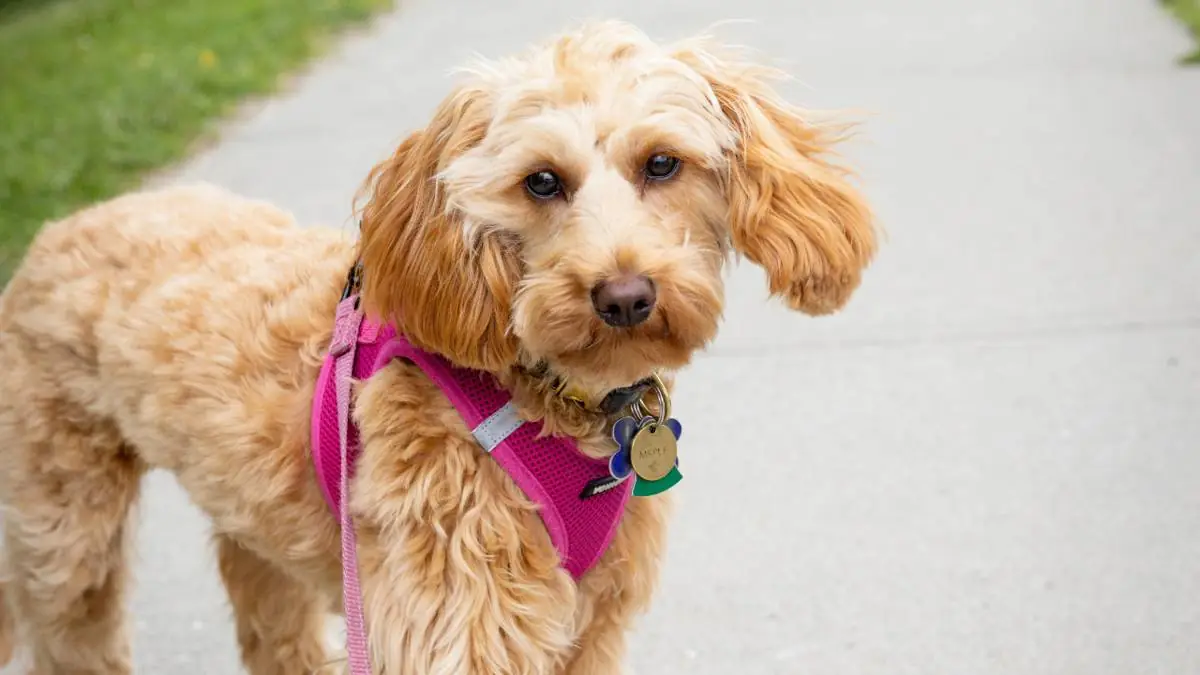
Not all Goldendoodles are created equal — and neither are their insurance costs. Whether you have a 15-pound Mini, a 35-pound Medium, or a 65-pound Standard Goldendoodle, size plays a significant role in both health risks and insurance premiums. Understanding how size affects coverage costs helps you choose the right plan and budget effectively.
| Size | Weight | Avg. Monthly Premium | Top Health Risks |
|---|---|---|---|
| Mini | 15–30 lbs | $25–$45 | Patellar luxation, dental, PRA |
| Medium | 30–45 lbs | $30–$55 | Allergies, ear infections, hip dysplasia |
| Standard | 45–90 lbs | $35–$65 | Hip dysplasia, Addison's, bloat, ACL tears |
Figures summarize published plan documents and national cost data reviewed in . Carrier terms, limits, and pricing change without notice and vary by state, pet age, and plan settings. This is not a quote or an offer of insurance — verify details directly with the provider.
For a side-by-side premium breakdown of the two most common sizes, see our dedicated Mini vs Standard Goldendoodle insurance cost comparison. If your budget is the binding constraint, read what you actually give up with cheap Goldendoodle insurance before you lower a premium.
What Are the Three Goldendoodle Sizes?
- Mini Goldendoodle: 15–30 lbs, bred with a Miniature Poodle. Compact, apartment-friendly, and increasingly popular
- Medium Goldendoodle: 30–45 lbs, bred with a Moyen (medium) Poodle. The "Goldilocks" size for many families
- Standard Goldendoodle: 45–90 lbs, bred with a Standard Poodle. The original and largest Goldendoodle variety
Your Goldendoodle's adult size is determined primarily by their Poodle parent. A weight chart by age can help you track whether your puppy is on track for their expected adult size. This matters for insurance because insurers use your dog's weight and breed to calculate premiums.
How Much Does Goldendoodle Insurance Cost by Size?
Based on our analysis of leading pet insurance providers (80% reimbursement, $250 annual deductible, comprehensive accident-and-illness plan):
- Mini Goldendoodle: $25–$45/month ($300–$540/year)
- Medium Goldendoodle: $30–$55/month ($360–$660/year)
- Standard Goldendoodle: $35–$65/month ($420–$780/year)
Standard Goldendoodles cost more to insure because larger dogs have higher vet bills, more expensive medications (weight-based dosing), and greater risk of certain orthopedic conditions. The premium difference between Mini and Standard can be $10–$20/month — or $120–$240/year. Over a lifetime, that adds up to $1,200–$3,600 more for Standards.
Why Larger Dogs Cost More to Insure
Several factors drive higher premiums for bigger Goldendoodles:
- Higher medication costs: Most medications are dosed by weight. A 70-lb Standard Goldendoodle needs roughly 4–5x the medication of a 15-lb Mini
- More expensive surgeries: Larger dogs require more anesthesia, larger implants, and longer surgical times
- Higher risk of orthopedic conditions: Hip dysplasia, ACL tears, and bloat are significantly more common in large dogs
- Higher hospitalization costs: Larger dogs need bigger crates, more IV fluids, and more nursing care
What Health Risks Do Goldendoodles Have by Size?
Goldendoodle health risks differ sharply by size: Mini Goldendoodles are most prone to patellar luxation, dental disease, and PRA; Medium Goldendoodles to allergies and ear infections; and Standard Goldendoodles to hip dysplasia, Addison's disease, bloat, and ACL tears — the breed's costliest conditions.
Mini Goldendoodle Health Risks
- Patellar luxation (kneecap dislocation): The signature orthopedic issue for small dogs. Surgery costs $1,500–$3,500 per knee. Both knees are commonly affected
- Progressive retinal atrophy (PRA): An inherited eye condition causing gradual blindness. More prevalent in Miniature Poodle lines
- Dental overcrowding: Smaller jaws mean crowded teeth, leading to faster plaque buildup, gum disease, and expensive dental procedures ($300–$3,000)
- Legg-Calve-Perthes disease: Deterioration of the femoral head due to insufficient blood supply. Almost exclusively affects dogs under 25 lbs. Surgery costs $2,000–$4,000
- Tracheal collapse: More common in very small dogs, can require lifelong medication or surgery ($2,000–$5,000)
- Hypoglycemia (in puppies): Small puppies can't regulate blood sugar as effectively, requiring emergency treatment ($500–$1,500)
Medium Goldendoodle Health Risks
- Allergies and skin conditions: Extremely common across all sizes, but Medium Goldendoodles seem especially prone. Annual management costs $1,500–$4,000
- Ear infections (floppy ears + moisture): Recurring episodes cost $100–$250 each, 4–8 times per year
- Hip dysplasia (moderate risk): Less common than in Standards but still present. Surgery costs $3,500–$7,000 per hip
- Von Willebrand's disease: A blood clotting disorder inherited from the Poodle side. Can cause life-threatening bleeding during surgery
- Hypothyroidism: Underactive thyroid causing weight gain and lethargy. Lifelong medication costs $20–$50/month
Standard Goldendoodle Health Risks
- Hip and elbow dysplasia (highest risk): The #1 orthopedic concern. Total hip replacement for both hips: $10,000–$14,000
- Addison's disease: Lifelong endocrine disorder inherited from Standard Poodles. Lifetime management: $15,000–$30,000
- Subvalvular aortic stenosis (SAS): Inherited heart condition that can cause sudden death. Treatment costs $5,000–$15,000
- Gastric dilatation-volvulus (bloat): Emergency, life-threatening. Surgery costs $3,000–$7,500. Exclusive to medium and large dogs
- Cruciate ligament tears: 40–60% bilateral rate. Both knees: $7,000–$12,000
- Cancer: Golden Retrievers have the highest cancer rate of any breed. Standards inherit this elevated risk. Treatment: $5,000–$15,000
Which Goldendoodle Size Needs Insurance the Most?
Honestly? All of them. But the financial argument is strongest for Standard Goldendoodles. A single ACL surgery can cost $3,500–$5,000, and Standards are prone to needing one on both knees. Bloat surgery — which is a true emergency — runs $3,000–$7,500. And Addison's disease management over a lifetime can exceed $30,000.
That said, Mini Goldendoodle owners shouldn't feel safe skipping insurance. Patellar luxation surgery costs $1,500–$3,500 per knee (often bilateral), dental procedures add up quickly for small breeds, and Legg-Calve-Perthes surgery can cost $4,000. A single major health event can easily exceed several years of premiums.
Medium Goldendoodle owners face the most balanced risk profile but should still prioritize coverage for allergies (a near-certainty), ear infections, and the moderate-but-real orthopedic risks they carry.
What Are the Lifetime Vet Costs by Goldendoodle Size?
Here's what total insurance costs and potential claims look like over a 12-year lifespan:
Mini Goldendoodle
- Lifetime premiums: $3,600–$6,480
- Average lifetime claims: $8,000–$18,000
- Net benefit: $4,400–$11,520 in coverage beyond premiums paid
Medium Goldendoodle
- Lifetime premiums: $4,320–$7,920
- Average lifetime claims: $10,000–$25,000
- Net benefit: $5,680–$17,080 in coverage beyond premiums paid
Standard Goldendoodle
- Lifetime premiums: $5,040–$9,360
- Average lifetime claims: $15,000–$35,000
- Net benefit: $9,960–$25,640 in coverage beyond premiums paid
How Do I Choose Insurance Based on My Goldendoodle's Size?
- For Minis: Prioritize policies covering patellar luxation and dental illness. Look for short or no orthopedic waiting periods. Consider dental coverage add-ons
- For Mediums: Look for strong allergy and chronic condition coverage. Ensure recurring conditions are renewed annually. Ear infection coverage is essential
- For Standards: Ensure orthopedic conditions, hereditary diseases, and emergency care are covered with high limits. Bloat/GDV coverage is non-negotiable. Consider providers with unlimited annual limits
How Can I Save on Goldendoodle Insurance Premiums?
- Enroll early: Puppy enrollment locks in the lowest premiums
- Adjust your deductible: A $500 deductible instead of $250 can reduce premiums by 10–15% with minimal added risk. See our deductible guide
- Compare at least 3 providers: Premium differences of 20–40% for the same coverage are common. Use our provider comparison
- Skip wellness add-ons after year one: Wellness plans rarely save money long-term for adult dogs
- Multi-pet discounts: Some providers offer 5–10% discounts for insuring multiple pets
How Do I Choose Goldendoodle Insurance Based on Size?
Your Goldendoodle's size directly impacts both what health conditions they're likely to face and how much you'll pay in premiums. Generation also matters — F1, F1B, and F2 Goldendoodles each have different risk profiles. Use this guide to match the right level of coverage to your dog's specific needs — and compare personalized quotes to find the best deal. Our Buyer's Guide walks you through what to look for, and our Cost Calculator estimates premiums by size.
Should You Insure or Self-Insure Based on Goldendoodle Size?
Insurance outperforms self-insuring for Goldendoodles of every size — it wins in 4 out of 5 cost scenarios because breed-specific emergencies like bloat surgery or bilateral hip replacement arrive before most savings funds reach the necessary balance. See our insurance vs. savings account comparison for the full breakdown.
Frequently Asked Questions
How much does pet insurance cost for a Mini Goldendoodle?
Mini Goldendoodle insurance averages $25–$45/month with 80% reimbursement and a $250 deductible. They're the least expensive to insure but face unique risks including patellar luxation ($1,500–$3,500/knee), dental overcrowding, and Legg-Calve-Perthes disease.
How much does pet insurance cost for a Standard Goldendoodle?
Standard Goldendoodle insurance averages $35–$65/month. They cost more because larger dogs have higher vet bills, weight-based medication dosing, and greater risk of orthopedic conditions like hip dysplasia, ACL tears, and bloat (GDV) — which can cost $3,000–$7,500 in emergency surgery.
Which Goldendoodle size needs insurance the most?
All sizes benefit, but the financial argument is strongest for Standard Goldendoodles. A single ACL surgery costs $3,500–$5,000, Standards often need surgery on both knees, and bloat surgery runs $3,000–$7,500. That said, Mini owners shouldn't skip insurance either — patellar luxation surgery costs $1,500–$3,500 per knee.
Does Goldendoodle size affect health risks?
Yes. Minis are prone to patellar luxation, dental crowding, and PRA. Mediums face allergies, ear infections, and moderate hip dysplasia risk. Standards have the highest risk for hip/elbow dysplasia, Addison's disease, heart conditions (SAS), bloat, and cruciate ligament tears.
Wondering what coverage looks like for your Goldendoodle?
Compare plan options in a couple of minutes, or estimate your monthly premium first.
Get a free Goldendoodle insurance quote · Estimate your premium
Advertiser disclosure: GoldendoodleInsurance.com is an independent comparison website — not an insurance company, agency, or producer. We do not sell, issue, or bind policies. We may earn a commission when you click carrier links, at no cost to you. Advertising Disclosure · Editorial Policy.
Sources & References
Premium figures are sample quotes from public provider quoting tools and are illustrative only; medical details are summarized from the veterinary references below and are educational, not veterinary advice.
- North American Pet Health Insurance Association (NAPHIA). State of the Industry Report (Average Premiums).
- American Kennel Club (AKC). Goldendoodle Breed Information.
Pricing sources and data vintage
Cost figures on this page are national ranges, not quotes. Each one below is tied to a named publisher and the date we last verified it. Pricing data set: . Next scheduled re-verification: February 2027.
| Figure | Published range | What it covers | Source & date verified |
|---|---|---|---|
| Monthly premium, Goldendoodle accident & illness plan | $25–$70/month | Quotes sampled across ten U.S. carriers for Mini/Medium/Standard profiles at 80–90% reimbursement, $250–$500 annual deductible. Mid-range figure ≈ $45/month. | NAPHIA (North American Pet Health Insurance Association) — State of the Industry Report — average U.S. premiums by coverage type (2026 report). Verified Aug 2026. |
| Hip dysplasia surgery (FHO or total hip replacement) | $3,500–$7,000 per hip | Specialty and teaching-hospital surgical pricing, single hip, including imaging, implant, anesthesia, and post-op rehab. | American Veterinary Medical Association (AVMA) — Cost of veterinary care references / orthopedic procedure benchmarks (2026 guidance). Verified Aug 2026. |
| Bloat (GDV) emergency surgery | $3,000–$7,500 | Emergency gastric decompression, derotation, and gastropexy with 24-hour critical care. Overnight ICU drives the upper end. | Merck Veterinary Manual — Gastric dilation and volvulus in dogs (Current edition, 2026). Verified Aug 2026. |
| Addison's disease (hypoadrenocorticism) maintenance | $200–$500/month | Desoxycorticosterone pivalate injections or fludrocortisone plus prednisone, with periodic electrolyte monitoring. Dose scales with body weight. | American College of Veterinary Internal Medicine (ACVIM) — Consensus statement on canine hypoadrenocorticism (Consensus statement, latest revision). Verified Aug 2026. |
| Lifetime veterinary spend, Goldendoodle | $15,000–$30,000 | Routine care plus expected illness and emergency claims across a 10–14 year lifespan, before insurance reimbursement. | American Veterinary Medical Association (AVMA) — Pet ownership and cost-of-care data (2026 guidance). Verified Aug 2026. |
Veterinary pricing varies by region, clinic type, and case complexity; insurance premiums vary by ZIP code, age, deductible, and reimbursement level. Treat every range as a planning benchmark and confirm current pricing with your veterinarian and current premiums with the provider. Our sourcing rules are documented in the editorial policy.